
Fauna
Documentation Notation
Behind the Scenes · full notes
- See Races for species considered at near or higher than Human intelligence.
- See Beasts for mildly intelligent species or highly dangerous beasts.
- See Fauna for low-intelligence species.
- This list is not complete; rather, it includes species that impact the economy/story to a greater extent.
- Adventurers hunting Fauna/Beats butcher the corpses prior to hauling them in order to reduce cost.
- See Economy Calculator for Prices.
Distance Cost Tier
Behind the Scenes · full notes
-
Tier I (Cheap Goods)
- Freshly killed animals + elemental Soul Energy interface actions for storage
-
Tier II (Common Goods)
- Processed meat + elemental Soul Energy interface actions for storage
- Feathers, Fur of large animals, and other animal parts.
-
Tier III (Expensive Goods)
- Jerky + elemental Soul Energy interface actions for storage
- Feathers, Fur of smaller animals, especially of higher quality
- Tamed/Live fauna
- Rare animal parts.
-
Tier IV (Nobility Goods)
- High-quality hides/furs, especially of rare game.
Herbivores
Cinika
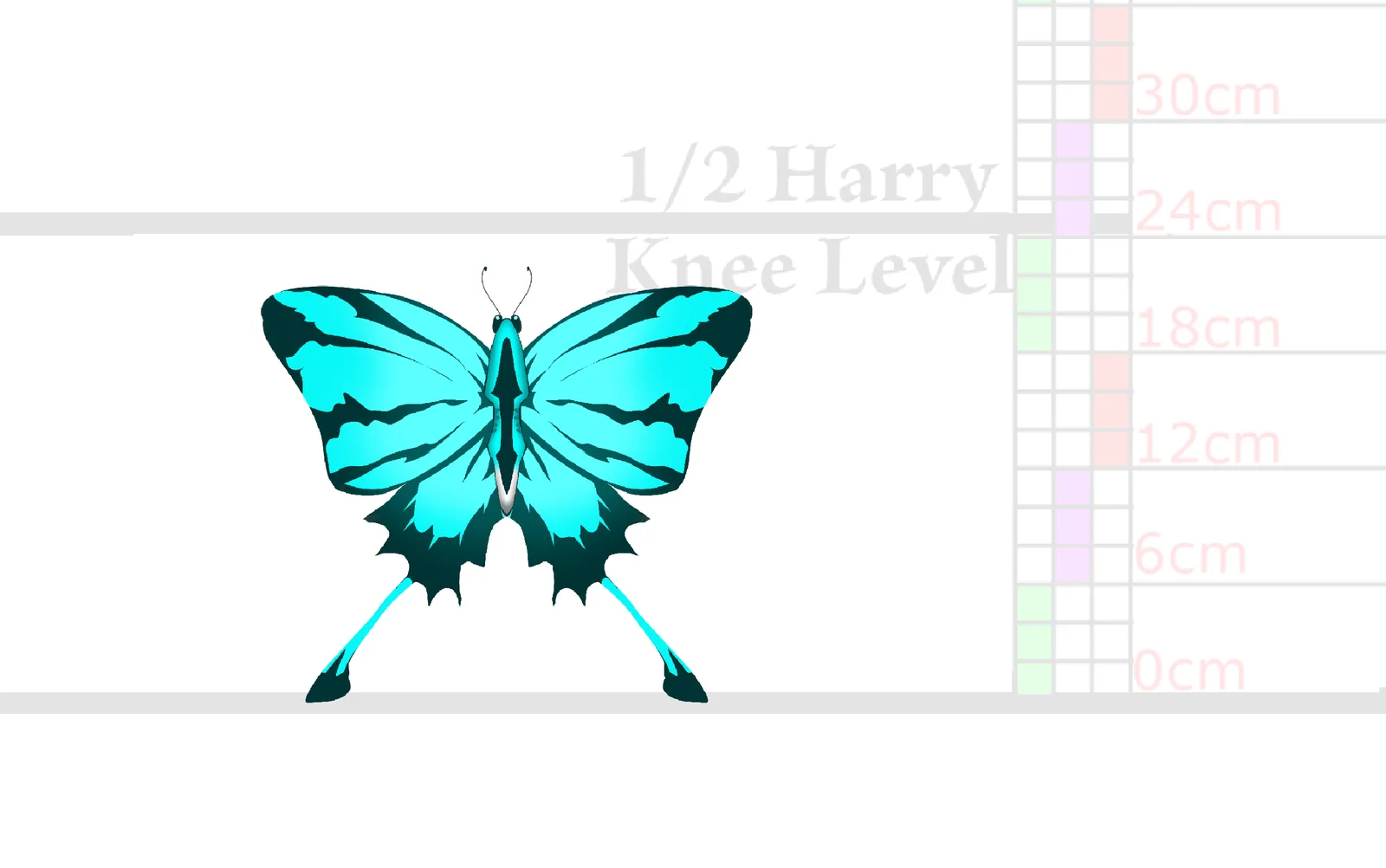
Cinikas, meanwhile, are not exactly as extraordinary unless there's a swarm of them and you're a sweaty Wozefaries or Sorefaries; then you're big trouble as they will swarm you, paralyze you, and lick your sweet sweat. The soul energy interface of a single Cinika is not that powerful, but when there's a swarm of them, they might overwhelm even a Hifuna beast. They also behave distinctly differently in reaction to pressure and humidity changes—actually, that is extraordinary! If you see them make a tight-closed swarm and flutter around like they are seeking shelter, then for sure, there's a nasty storm brewing on the horizon.
Public text: fauna.md
Behind the Scenes · full notes
-
Website Description
- Cinikas, meanwhile, are not exactly as extraordinary unless there's a swarm of them and you're a sweaty Wozefaries or Sorefaries; then you're big trouble as they will swarm you, paralyze you, and lick your sweet sweat. The soul energy interface of a single Cinika is not that powerful, but when there's a swarm of them, they might overwhelm even a Hifuna beast. They also behave distinctly differently in reaction to pressure and humidity changes—actually, that is extraordinary! If you see them make a tight-closed swarm and flutter around like they are seeking shelter, then for sure, there's a nasty storm brewing on the horizon.
-
Isekai History
- A small cyan butterfly that spreads around every Spring.
- Known for attacking Wozefaries/Sorefaries in herds and paralyzing them to lick their sweat.
- One of the most popular butterflies around, as it gives adventurers and commoners a sense if there is any bad weather approaching when they create swarms and flee from the bad weather.
-
Scientific History
- Butterfly
-
Habitat
- Lower plains
-
Economic Value
-
Cinika Butterflies
- Isekai History
- Fresh kill from not too far off, stored in a wagon with ice, ready for butcher shops or to be shipped around.
- Visual Reference
- See Above
- Isekai History
-
-
Tastes Like
- Hairy flowers, earthy-like.
-
Alimentation
- Flower nectar
-
Intelligence
- Butterfly
-
Stats
- Reproduction
- Every Spring.
- Other
- None
- Reproduction
-
Soul Energy Capabilities
- Interface
- Antenna
- Skills
- Detect Pressure
- Detect Humidity
- Detect Temperature
- Paralyze
- Interface
Culuim
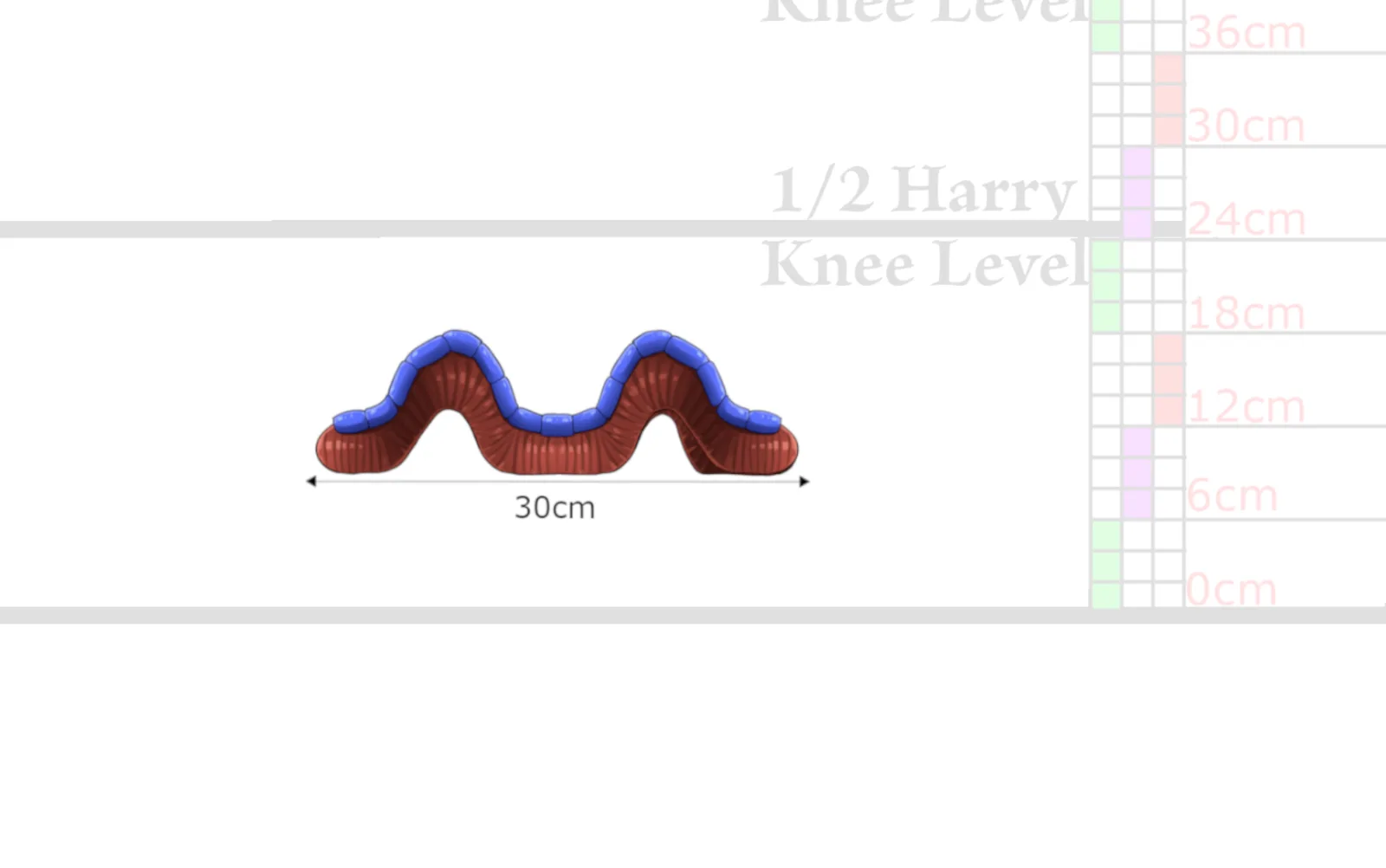
Culuim proves that Hifuna should always be considered a threat to the soul, even if you live as far away as the Freeish Kingdom. This story started when an asshole adventurer from Big Gyut returned from Hifuna with a bag of Walking Hearts ready to sell in the black market. He probably was smiling wide with excitement about making it back without being caught, but then one of his guild mates rattled on him to the guards—because of an affair like usual. Instead of turning the bag in, the asshole adventurer buried it near a pond to get rid of the evidence—the rest is history as worms ate the contaminated soul, and a new species was born. Forway tried to exterminate it, but it was to no avail, so they shifted to focus instead to ensure that it didn't present a danger to the public. Luckily that was the case, and soon after, it somehow became a popular street food for people in a pinch because of its girth size and abundant nature. They taste like dirt, and the flesh is pretty chewy, but with enough seasoning, it goes down nicely after some beers. Scientists love them even more for being an animal model for the effects of Walking Heart.
Public text: fauna.md
Behind the Scenes · full notes
-
Website Description
- Culuim proves that Hifuna should always be considered a threat to the soul, even if you live as far away as the Freeish Kingdom. This story started when an asshole adventurer from Big Gyut returned from Hifuna with a bag of Walking Hearts ready to sell in the black market. He probably was smiling wide with excitement about making it back without being caught, but then one of his guild mates ratted him out to the guards—because of an affair, like usual. Instead of turning the bag in, the asshole adventurer buried it near a pond to get rid of the evidence—the rest is history as worms ate the contaminated soul, and a new species was born. Forway tried to exterminate it, but to no avail, so they shifted their focus to ensure it didn't pose a danger to the public. Luckily, that was the case, and soon after, it somehow became a popular street food for people in a pinch because of its girth and abundance. They taste like dirt, and the flesh is pretty chewy, but with enough seasoning, it goes down nicely after some beers. Scientists love them even more for being an animal model for the effects of Walking Heart.
-
Isekai History
- These worms consumed soil infused with Walking Heart, and over time, the constant feeding and forced usage altered their soul.
-
Scientific History
- Worms (average)
-
Habitat
- Ponds. Someone dumped walking hearts in a pond near Freish kingdom, and the worms ate it, and it altered their soul.
-
Economic Value
-
Medallions
- Isekai History
- Used for some nari gels, but also chopped up and grilled. It is part of the cuisine in the Freeish Region.
- Visual Reference
- Isekai History
-
Cuisine
- Isekai History
- See Freeish Kingdom
- Visual Reference
- --
- Isekai History
-
-
Tastes Like
- Dirt. Very earthy.
-
Alimentation
- Ground
-
Intelligence
- Worm
-
Stats
- Reproduction
- By themselves or with other Culuim
- Other
- None
- Reproduction
-
Soul Energy Capabilities
- Interface
- Walking Heart
- Skills
- The carapace can flip between Walking Heart modes at will.
- It activates the Walking heart by inflating it with blood. It doesn’t seem capable of doing it for an extended period.
- Interface

Egua
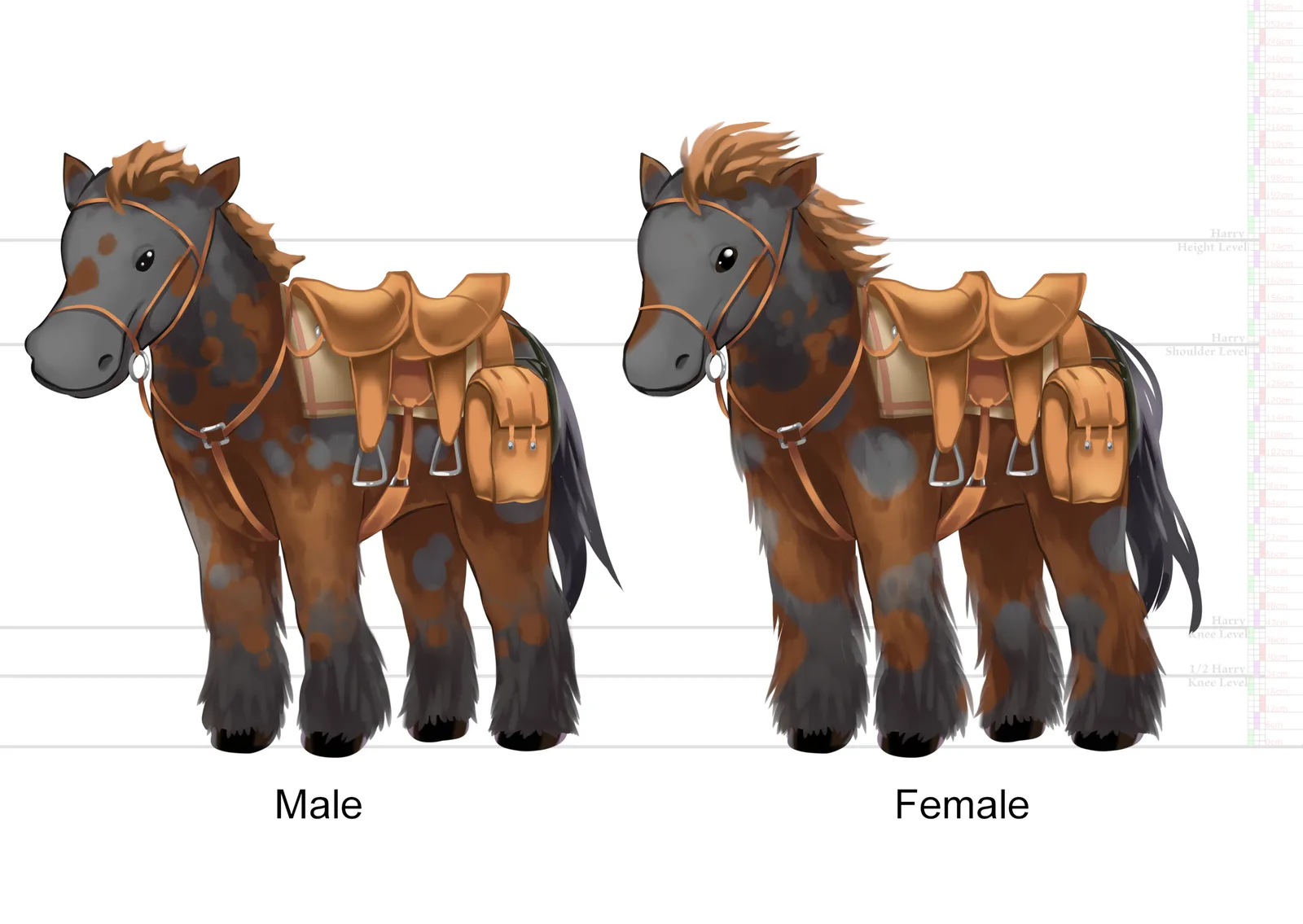
Egua became the foundation of trading across the four Kingdoms, and if you think more about it, the core reason why the prosperity treaty is prosperous. Sure, Gravity Repel is still used to decrease the weight of goods, but then you have to deal with volume too through World Decrease. The cost alone would make things prohibitively expensive to trade, but that's not all! The fact that not every good can handle having its density altered by factors of ten, if not hundreds, makes using Soul Energy for everything a pain in the ass. All of this brings back the point that with its interface that allows it to walk on water, endurance to carry a lot of weight, and friction control over muddy terrain, it truly is an essential asset in keeping the balls flowing by enriching trading and making wars unlikely. Some people, mostly Forway and Freeish folks, plus some adventurers here and there still like to indulge in Egua's meat for its meatier notes and low-fat content that makes tasty beef jerky. Just beware of its capabilities to eject its intestines from its bunghole when in self-defense—it's entertainingly bizarre to watch a Wozen, or anything for that matter, give up chasing an Egua when the shower of shit and guts starts to rain towards them.
Public text: fauna.md
Behind the Scenes · full notes
-
Website Description
- Egua became the foundation of trading across the four Kingdoms, and if you think more about it, the core reason why the prosperity treaty is prosperous. Sure, Gravity Repel is still used to decrease the weight of goods, but then you have to deal with volume too through World Decrease. The cost alone would make things prohibitively expensive to trade, but that's not all! The fact that not every good can handle having its density altered by factors of ten, if not hundreds, makes using Soul Energy for everything a pain in the ass. All of this brings back the point that with its interface that allows it to walk on water, endurance to carry a lot of weight, and friction control over muddy terrain, it truly is an essential asset in keeping the balls flowing by enriching trading and making wars unlikely. Some people, mostly Forway and Freeish folks, plus some adventurers here and there, still like to indulge in Egua's meat for its meatier notes and low-fat content that makes tasty beef jerky. Just beware of its capabilities to eject its intestines from its bunghole when in self-defense—it's entertainingly bizarre to watch a Wozen, or anything for that matter, give up chasing an Egua when the shower of shit and guts starts to rain towards them.
-
Isekai History
- Heavy horse with Hippopotamus characteristics to its head
- They were herbivores who did not mind being around other species, so they quickly became domesticated.
- They love to be petted and can understand basic instructions.
- Hurting them physically or emotionally will cause them to grow violently.
- They naturally can walk on water due to their Soul Energy interface.
- The basis of transportation across the Shared Delta.
- Humans respect their friendliness to the point that they often have human burials for this species.
- Some do eat their meat, but most of these people eat when the opportunity arises (e.g. older Eguas.)
-
Scientific History
- Protorohippus
- Hippopotamus
- Ardennes Heavy Horse Breed
-
Habitat
- Throughout the four kingdoms, wild specimens can be found in the plains where Forway city is located.
-
Economic Value
-
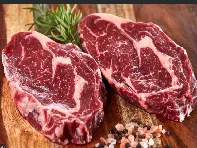
Egua Meat
- Isekai History
- Butcher cuts meat. Relatively cheap meat due to the source being older eguas who no longer transport cargo/people
- Visual Reference
- Isekai History
-
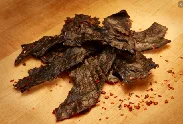
Egua Jerky
- Isekai History
- Butcher prepared jerky
- Visual Reference
- Isekai History
-
Egua Hide/Fur
- Isekai History
- Butcher prepared hide/fur for artisans to work on.
- Visual Reference
- See above.
- Isekai History
-
Egua Hoof/Leg hair
- Isekai History
- Used on Nari Gel. Extracted from dead eguas, or sometimes from egua with damaged ones before casting healing.
- Visual Reference
- Isekai History
-
Tamed Adult Egua
- Isekai History
- Adult Egua ready to be worked.
- Visual Reference
- See above
- Isekai History
-
Tamed Child Egua
- Isekai History
- Can be worked, but for smaller loads (~0.4x load ~ 240kg.)
- Adventurers tend to buy baby Eguas instead to carry some of their equipment/loot as they walk alongside them.
- Visual Reference
- See above
- Isekai History
-
-
Tastes Like
- Bland, old-tasting beef. The texture is like that of tougher top sirloin, especially since only old Eguas are used.
-
Alimentation
- Primarily ~20 Kg of Grass, Hay or Carbey
-
Intelligence
- Horse
-
Stats
- Reproduction
- Female Egua gives birth once a year
- Other
- Gallop (~30 km/h)
- 5km @ ~10% Load (Max Load of ~90 kilos)
- Canter (~20 km/h)
- 15km @ ~10% Load (Max Load of ~90 kilos)
- 5km @ ~20% Load (Max Load of ~180 kilos)
- Trot (~10 km/h)
- 35km @ ~10% Load (Max Load of ~90 kilos)
- 15km @ ~20% Load (Max Load of ~180 kilos)
- Gait (~7 km/h)
- 65km @ ~10% Load (Max Load of ~90 kilos)
- 35km @ ~20% Load (Max Load of ~180 kilos)
- Gallop (~30 km/h)
- Reproduction
-
Soul Energy Capabilities
- Interface
- Hair on legs
- Skills
- Water Walk
- Dirt Repel
- Increase/decrease size of legs.
- Eject privates or intestines through assholes (very specific, but that’s how they got away from certain predators.)
- Interface
Lansha
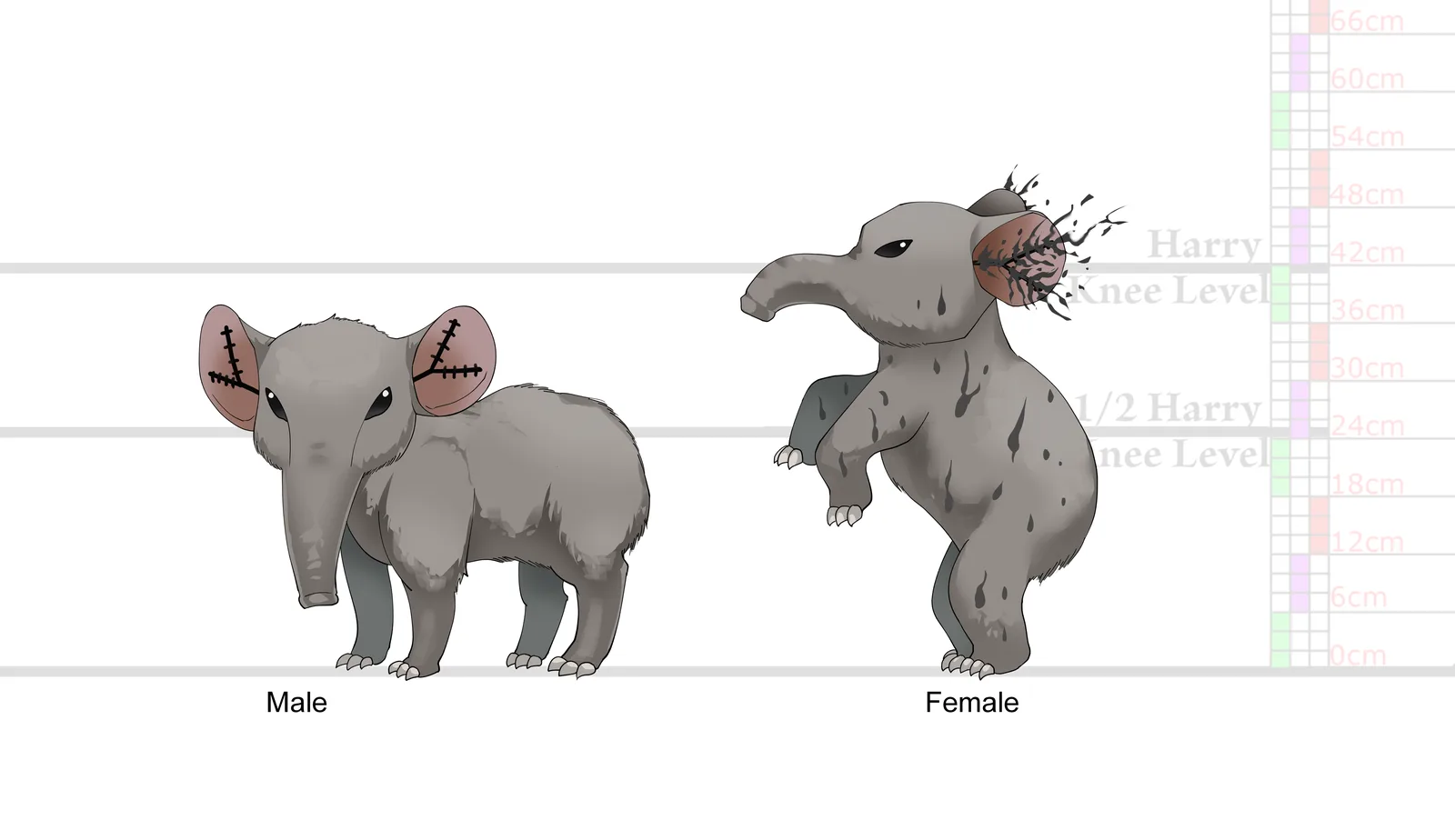
Lansha is a Cruro favorite! So much so, you often can trade anything you want from them with a simple succulent chunk of grilled Lansha—or if the cruro is pretty savage, it will just snatch it from you, and your hand too! The meat's flavor is akin to goat or lamb. It takes getting used to, but once you do, it goes well with anything. Catching one and cooking it can be tricky if you don’t know what you’re doing. Their main defense is coating their bodies with a sour secretion that makes biting them impossible to stomach. Hunting them down requires skill to one-shot their brain, and even more skill to skin them and their sour glands.
Public text: fauna.md
Behind the Scenes · full notes
-
Website Description
- Lansha is a Cruro favorite! So much so, you often can trade anything you want from them with a simple succulent chunk of grilled Lansha—or if the cruro is pretty savage, it will just snatch it from you, and your hand too! The meat's flavor is akin to goat or lamb. It takes getting used to, but once you do, it goes well with anything. Catching one and cooking it can be tricky if you don’t know what you’re doing. Their main defense is coating their bodies with a sour secretion that makes biting them impossible to stomach. Hunting them down requires skill to one-shot their brain, and even more skill to skin them and their sour glands.
-
Isekai History
- A native of the cruro lands, sometimes found as far south as Waterfall. Sometimes as high up as Tastyleaf.
-
Scientific History
- Elephant with Hippothamus
-
Habitat
- Cruro lands.
-
Economic Value
-
Lansha Meat
- Isekai History
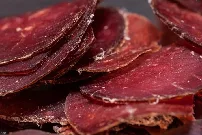
- Tastes like lamb. Fan favorite of any Cruro.
- Visual Reference
- Isekai History
-
-
Tastes Like
- Lamb/Goat
-
Alimentation
- Tree, leaves, and plants.
-
Intelligence
- Like elephants or Hippos. By themselves, they are chill and timid, but in a group, they are more aggressive and territorial
-
Stats
- Reproduction
- Every 6 months
- Other
- -
- Reproduction
-
Soul Energy Capabilities
- Interface
- Ears
- Skills
- Gravity Down
- Oil Up.
- Interface
Legunia
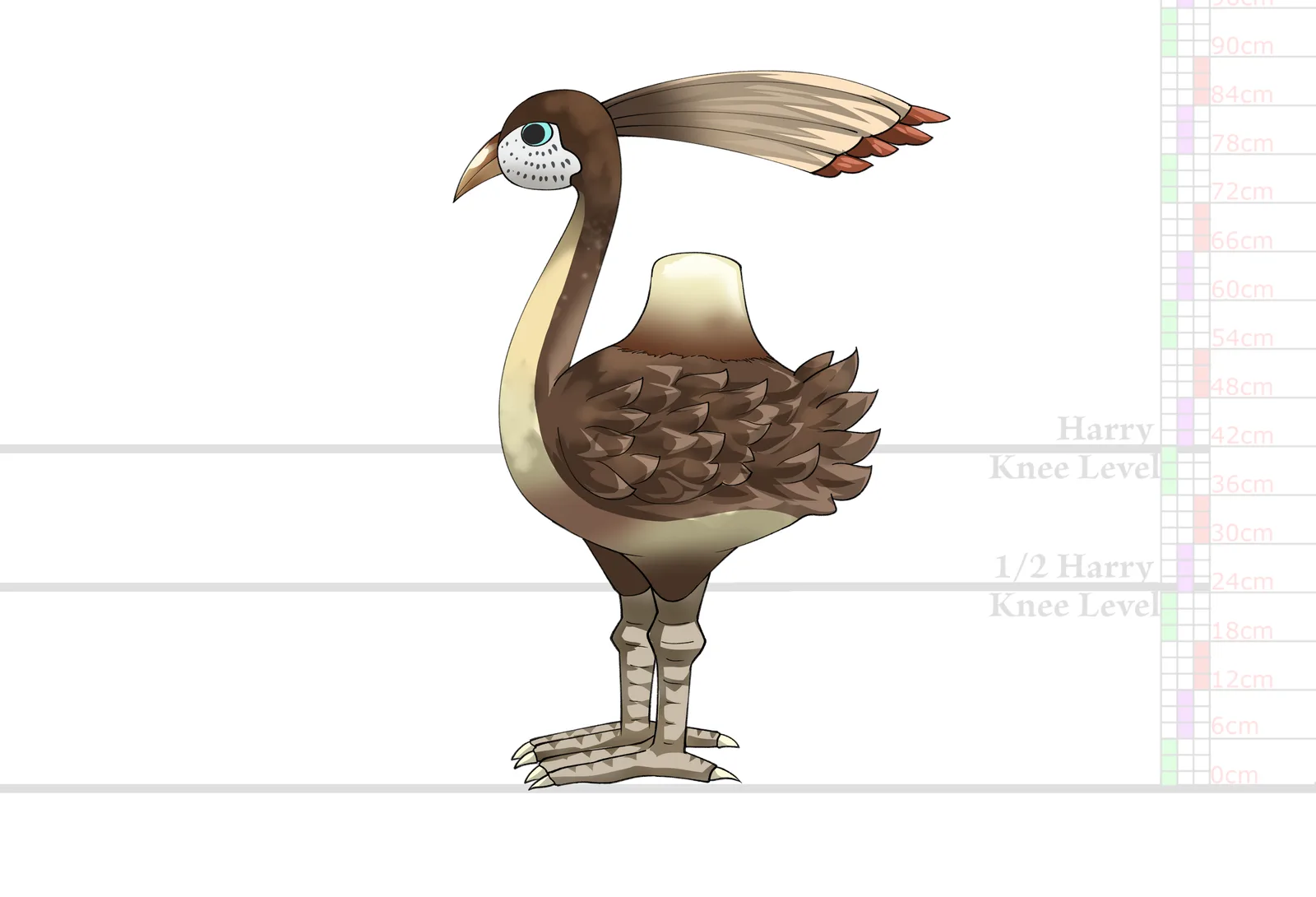
Legunia is a desert bird that mimics a sand worm in everything it does, except it eats berries and such instead of other mammals. You can use the hump in their backs as an easy “indicator species” of how survivable the desert currently is. If their hump is deflatable, you should get out while you still can, unless you know exactly what you’re doing. Hunting them down for food and water is easier said than done. Then can easily be miles away before your second shot.
Public text: fauna.md
Behind the Scenes · full notes
-
Website Description
- Legunia is a desert bird that mimics a sand worm in everything it does, except it eats berries and such instead of other mammals. You can use the hump in their backs as an easy “indicator species” of how survivable the desert currently is. If their hump is deflatable, you should get out while you still can, unless you know exactly what you’re doing. Hunting them down for food and water is easier said than done. Then can easily be miles away before your second shot.
-
Isekai History
- Natural birds found in the deserts.
-
Scientific History
- Flamingo with Winga mix
-
Habitat
- Lower plains
-
Economic Value
-
Legunia Meat
- Isekai History
- Butcher-cut meat. Same price as Winga due to more meat per body, plus a stronger taste.
- Visual Reference
- Isekai History
-
Legunia Jerky
- Isekai History
- Butcher prepared jerky. It has a notoriously stronger taste.
- Visual Reference
- Isekai History
-
Legunia Feathers
- Isekai History
- Butcher prepared feathers for artisans to work on.
- Visual Reference
- See above
- Isekai History
-
Legunia Fat
- Isekai History
- A delicacy like duck fat that can be used in many cooking.
- Visual Reference
- See above
- Isekai History
-
Legunia Egg
- Isekai History
- More of a culinary ingredient of a higher class ingredient rather than people's food due to its stronger taste and smell.
- Visual Reference
- Isekai History
-
Tamed Legunia
- Isekai History
- A great pet, and that’s about it, as it flees in the first sign of danger. Plus, it is not that intelligent/social.
- Visual Reference
- See above
- Isekai History
-
-
Tastes Like
- Bone Meat on chicken. Fatty, stronger.
-
Alimentation
- Berries & Fruits.
-
Intelligence
- Cockatoo
-
Stats
- Reproduction
- Every Year
- ~3 Eggs laid, only a few reach adulthood.
- Other
- None
- Reproduction
-
Soul Energy Capabilities
- Interface
- Feet & beak
- Skills
- High Jump
- Super Speed
- Interface
Monica
Monikas are loner butterflies tightly associated with death and decay. Their interface is considered the best at identifying corpses, especially if the corpse is tied to a soul pool with a lot of soul energy. They also have the ability to turn desired volatile compounds of scents into a visual representation that aids in understanding its concentration and source—known as Monika sight, a nari gel concoction customized with the desired volatile compound, turned even exceptional if paired with Wozen Smell for both finding things like dead adventurers, detect poisonous things like traps, or even track down live animals or humans by using the droppings or sweat. Adventurers on the brink of death often implore to be found by these peaceful-looking butterflies—at least some do until they remember the cost of revival.
Public text: Website Description in Legacy/Behind The Scenes/World Lore/Fauna.md
Behind the Scenes · full notes
-
Isekai History
- Their antenna always has a blue glow.
- They can be found near rotting bodies, usually a sign that a predator is nearby.
- They prefer bodies with higher soul energy, so they can also be used to guide towards dead adventurers.
-
Scientific History
- Butterfly
-
Habitat
- Lower plains
-
Economic Value
-
Monica Butterflies
- Isekai History
- Fresh kill from not too far off, stored in a wagon with ice, ready for butcher shops or to be shipped around.
- Visual Reference
- See Above
- Isekai History
-
-
Tastes Like
- Hairy flowers, earthy-like.
-
Alimentation
- Organic matter/dead stuff, etc.
-
Intelligence
- Butterfly
-
Stats
- Reproduction
- Every Spring.
- Other
- None
- Reproduction
-
Soul Energy Capabilities
- Interface
- Antenna
- Skills
- Detect Temperature
- Detect Soul Energy
- Enhance Smell/Turn certain smells visible.
- Interface
Winga/Pink Winga
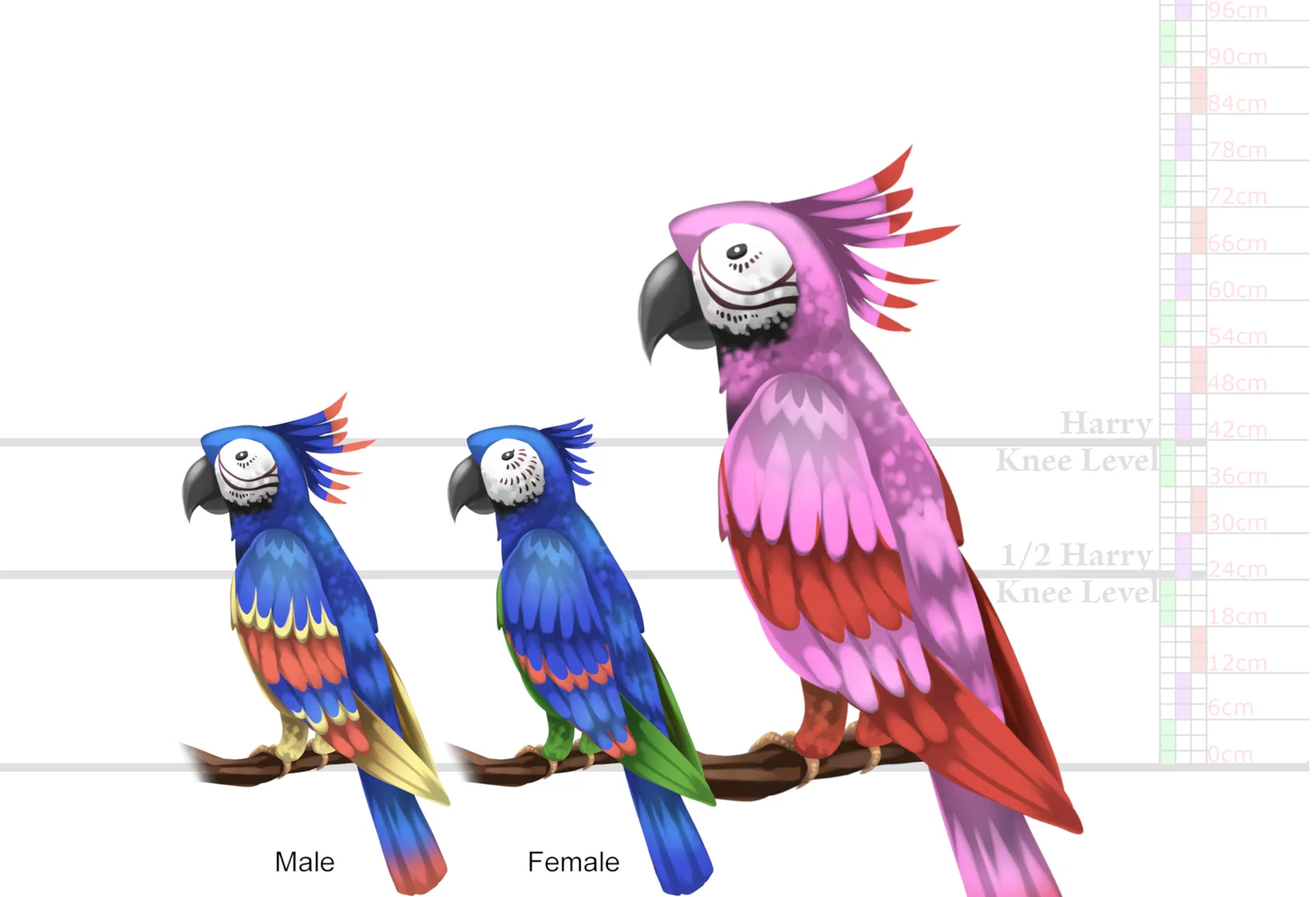
Winga is famous for being a social companion with a remarkable memory of landscapes and people's faces; they are the backbone of the interkingdom Winga mail courier services. Some, on the other hand, find its sweet meat a delicacy! Even the wild ones taste just as great too! Watch out for their interface if you decide to hunt them yourself—they will shriek so loud to make your ears bleed to strengthen their beak and claws to cut through anything to break free. Oh! Almost forgot! You will be in deep shit if you hunt down a Winga working for Forway.
Public text: fauna.md
Behind the Scenes · full notes
-
Website Description
- Winga is famous for being a social companion with a remarkable memory of landscapes and people's faces; they are the backbone of the interkingdom Winga mail courier services. Some, on the other hand, find its sweet meat a delicacy! Even the wild ones taste just as great! Watch out for their interface if you decide to hunt them yourself—they will shriek so loud to make your ears bleed, strengthen their beak and claws to cut through anything, to break free. Oh! Almost forgot! You will be in deep shit if you hunt down a Winga working for Forway.
-
Isekai History
- Big flying birds that eat Gyut berries.
- Their meat tastes sweet
- They settle high up in the trees to rest/procreate.
- Will attack humans if they come too close, depending on past interactions.
- Are famous for being able to fly fast and high, which makes hunting not as easy.
- When tamed, they make loyal companions.
- They recognize People’s faces and places, so they make a great message courier service.
- Pink Wingas are also referred to as Tolerideme Wingas by some. They are incredibly hard to find as they camouflage themselves really well.
-
Scientific History
- Macaw
-
Habitat
- Present throughout the Lower & Buhraies Plains.
- Larger population on Wingarest.
-
Economic Value
-
Winga Meat
- Isekai History
- Butcher cuts meat.
- Visual Reference
- Isekai History
-
Winga Jerky
- Isekai History
- Butcher prepared jerky
- Visual Reference
- Isekai History
-
Winga Feathers
- Isekai History
- Butcher prepared feathers for artisans to work on.
- Visual Reference
- See above
- Isekai History
-
Winga Egg
- Isekai History
- A treat for many people due to its sweet taste.
- Visual Reference
- Isekai History
-
Winga Dust
- Isekai History
- Usually in grinded form by using other beaks/claws to do it. They must all have been strengthened by a Winga before they were removed, and they last for years before the effect starts to wear off.
- The coating can be as strong as diamond until the effect wears off.
- Visual Reference
- Isekai History
-
Tamed Winga
- Isekai History
- A great hunter companion, or pet.
- Visual Reference
- See above
- Isekai History
-
-
Tastes Like
- Honey Turkey breast, but not as tender.
-
Alimentation
- Primarily Gyut Berries.
-
Intelligence
- Parrot
-
Stats
- Reproduction
- ~3 or 4 pairs of Winga couples get together for a swing party, then they all create a shared nest to take care of the eggs. It takes less than one month for the eggs to hatch
- Every year ~20 Winga eggs are laid.
- Other
- None
- Reproduction
-
Soul Energy Capabilities
- Interface
- Head feathers
- Skills
- Sense Lifeforms
- Generate Air Shield
- Loud than usual Shriek
- Making the beak/claws cut through anything by strengthening it to diamond level.
- Interface

Wooly
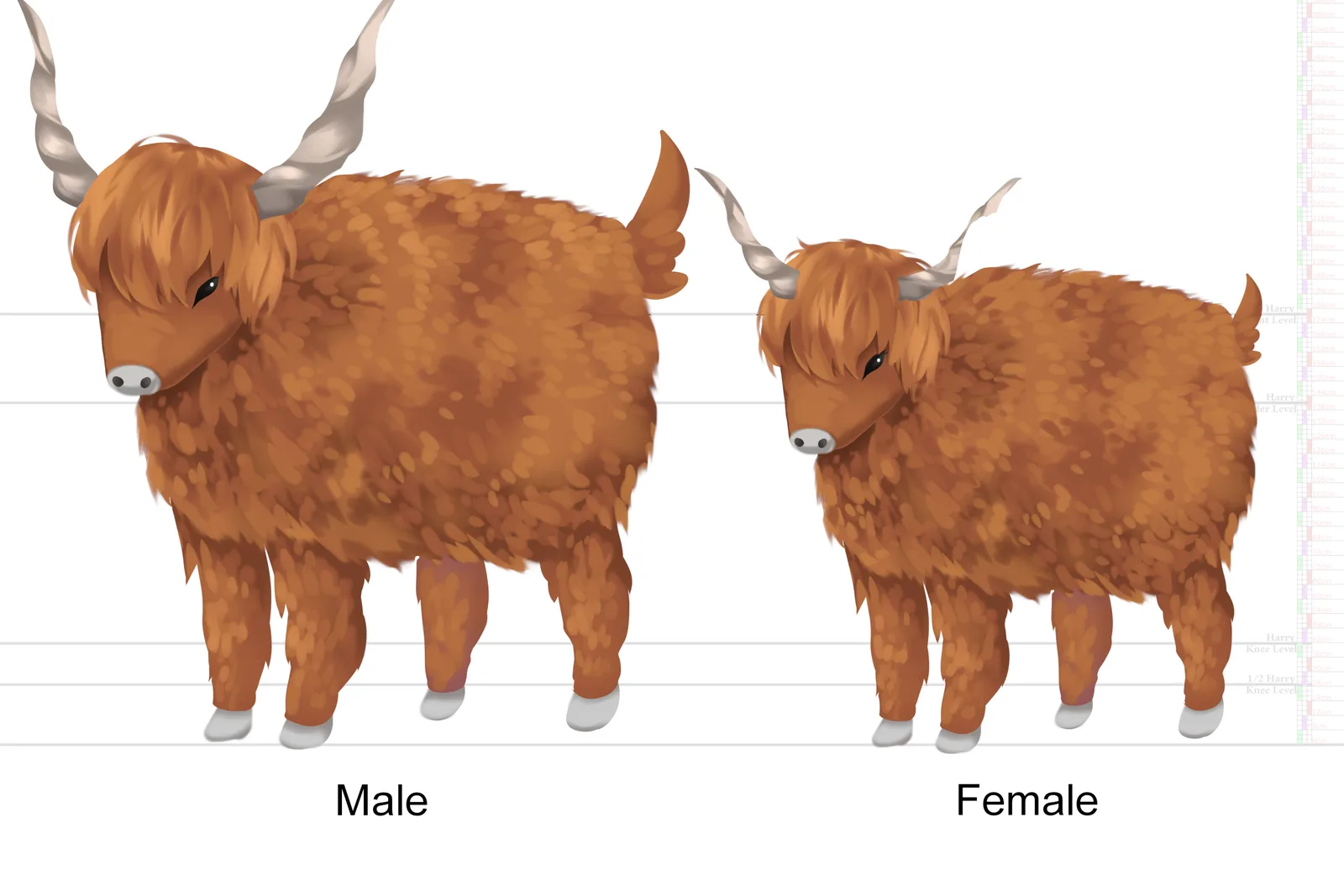
Wooly is truly a staple of Gandew. The fact that there aren't many other places it can survive due to its demanding nature is strong enough by itself to warrant Gandew gaining the comparative advantage from Forway—but that isn't the only fact either. Darfaries acquired several unique masteries over the generations over the entire spectrum of by-products! From herding them in Mid-Gandew to processing their milk into varieties of cheeses, creating wet and dry-aged beef that is to soul die for, and even soft, warm wool and clothing! Toleridemians are the heaviest consumers, both in the literal and figurative sense, of these tantalizing exports, and try as they might, they cannot compete with Gandew on that front. Buhraies Plains is just not high enough for these creatures to feel at home, and whatever they produced so far under "research" was laughable.
Public text: fauna.md
Behind the Scenes · full notes
-
Website Description
- Wooly is truly a staple of Gandew. The fact that there aren't many other places it can survive due to its demanding nature is strong enough by itself to warrant Gandew gaining the comparative advantage from Forway—but that isn't the only fact either. Darfaries acquired several unique masteries over the generations, over the entire spectrum of by-products! From herding them in Mid-Gandew to processing their milk into varieties of cheeses, creating wet and dry-aged beef that is to die for, and even soft, warm wool and clothing! Toleridemians are the heaviest consumers, both literally and figuratively, of these tantalizing exports, and try as they might, they cannot compete with Gandew on that front. Buhraies Plains is just not high enough for these creatures to feel at home, and whatever they have produced so far under "research" has been laughable.
-
Isekai History
- Created by a Buhraies that fell in love with a Lishies, and had to prove himself with something that would help the Lishies in order to be accepted into the mountains.
- A hybrid between cow & sheep DNA that only thrives in higher altitudes where it’s colder and drier.
- A staple of Gandew’s economy is its milk and wool. Also, for its meat for older Woolys Females or Male Woolys who don’t have the best genes or health.
- When dying/giving birth, it hurls out a massive scream that can be heard for kilometers.
- Created by a Buhraies that fell in love with a Lishies, and had to prove himself with something that would help the Lishies in order to be accepted into the mountains.
-
Scientific History
- Cow & Sheep.
-
Habitat
- Nowadays, they only exist within the Gandew Kingdom and out in the wild in the high up mountains that separate the desert (Old Fuhrair)
- ~4 km-~6 km.
- They would suffocate in their own fur at altitudes < 4km, or the humidity would spoil their fur. They were meant for high altitudes.
-
Economic Value
-
Wooly Meat
- Isekai History
- Butcher cut meat.
- Visual Reference
- Isekai History
-
Wooly Jerky
- Isekai History
- Butcher prepared jerky
- Visual Reference
- Isekai History
-
Wooly Hide/Fur/Pelt
- Isekai History
- Butcher prepared hide/fur for artisans to work on.
- Visual Reference
- See above
- Isekai History
-
Wooly Horns
- Isekai History
- Butcher prepared horns for artisans to work on.
- Visual Reference
- See above
- Isekai History
-
Wooly Milk
- Isekai History
- Females produce ~8 Liters of Milk a day by feeding just Carbey. Taste is on the spectrum between cow and sheep milk.
- Mostly only available on Gandew
- Visual

- Isekai History
-
Wooly Dried Milk
- Isekai History
- Milk often dried for transport to other parts of the kingdoms
- Visual
- Isekai History
-
Wooly Gyut Milk
- Isekai History
- Female produces ~10 Liters of Milk a day
- Milk looks and tastes like caramel if the animal is fed Gyut berries.
- *Free for Darfaries children
- Visual Reference
- Isekai History
-
Wooly Gyut Dried Milk
- Isekai History
- Milk often dried for transport to other parts of the kingdom.
- Visual

- Isekai History
-
-
Tastes Like
- Cow with a slight sheep flavor note.
-
Alimentation
- Can eat ~18kg Domar Carbey per day + ~2kg of Gyut Berries for richer tasting milk
- ~20kg Carbey per day for meat production
-
Intelligence
- Cow
-
Stats
- Reproduction
- One-Three Woolies per year.
- Other
- None
- Reproduction
-
Soul Energy Capabilities
- Interface
- Horns
- Skills
- Reverberate Voice
- Create Light.
- Interface

Carnivores
Barina
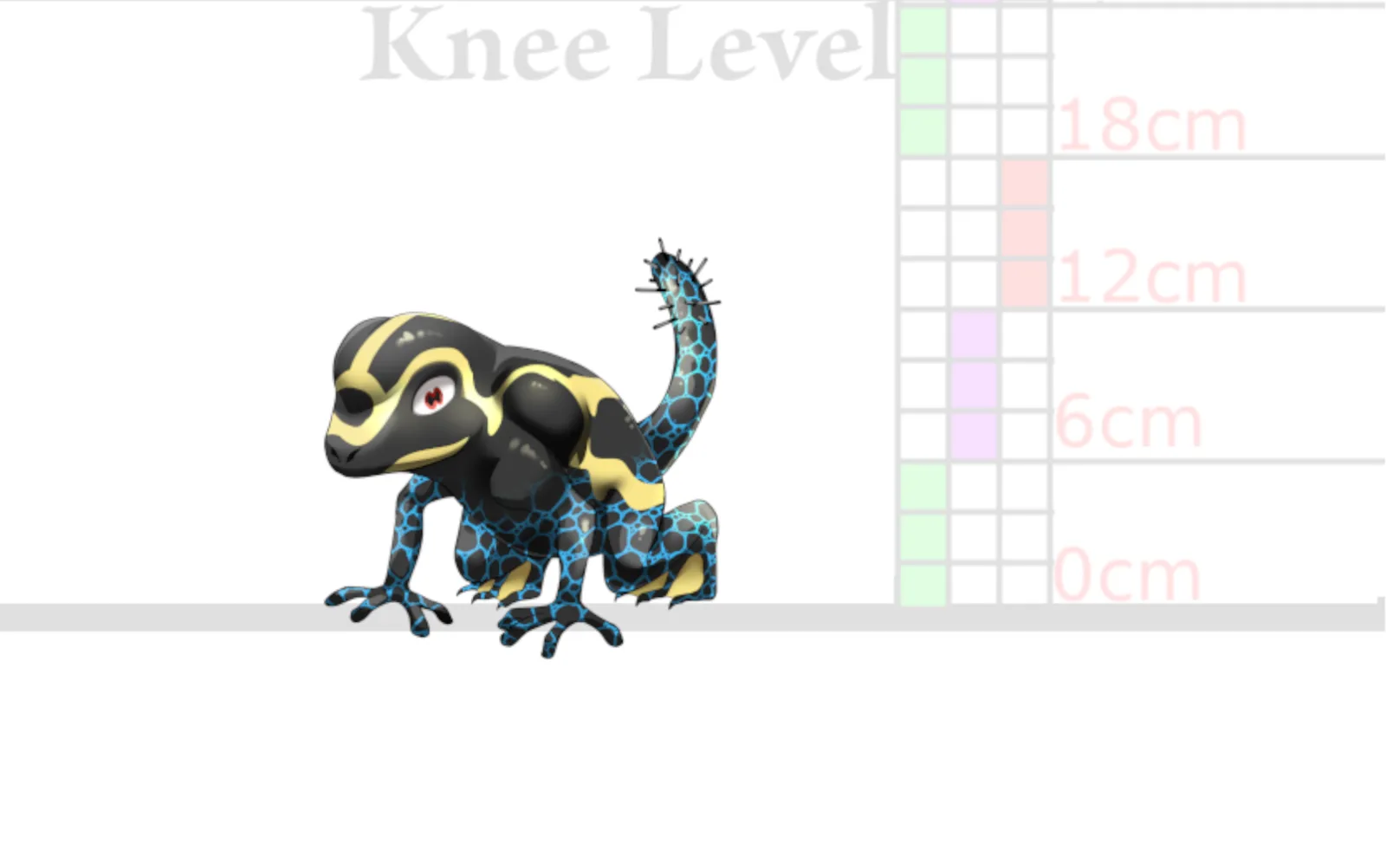
Barina is an amphibian notoriously known for its exploding tail that releases obnoxious gases that can toxify even an adult Wooly and spikes that can lodge deep even on a Cruru leathery skin. Despite that, their entire head-to-tail flesh is so damm valuable for nari gels many adventurers will put themselves in danger to grab a few from a pond to make some quick balls. They are easy to spot, but catching them is a whole different story.
Public text: fauna.md
Behind the Scenes · full notes
-
Website Description
- Barina is an amphibian notoriously known for its exploding tail that releases obnoxious gases that can toxify even an adult Wooly and spikes that can lodge deep even on a Cruru leathery skin. Despite that, their entire head-to-tail flesh is so damm valuable for nari gels many adventurers will put themselves in danger to grab a few from a pond to make some quick balls. They are easy to spot, but catching them is a whole different story.
-
Isekai History
- A frog is known for its ability to stay underwater for a long time and for the toxins on its back. Plus, its tail is useful for Nari Gels as well.
-
Scientific History
- Frog
-
Habitat
- Ponds
-
Economic Value
-
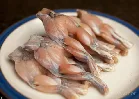
Barina Leg Meat
- Isekai History
- Butcher cut meat. Often used in dishes in the Freeish kingdom.
- Visual Reference
- Isekai History
-
Barina Venom Glands
- Isekai History
- Used on Nari gels.
- Visual Reference
- Isekai History
-
Barina Lungs
- Isekai History
- Useful for Nari Gels.
- Visual Reference
- Isekai History
-
-
Tastes Like
- Light Chicken/White Fish.
-
Alimentation
- Insects
-
Intelligence
- Frog
-
Stats
- Reproduction
- Every Summer
- 25 Eggs laid, only a few reach adulthood.
- Other
- None
- Reproduction
-
Soul Energy Capabilities
- Interface
- Tail
- Skills
- Cloak
- Toxin Air Diffusal
- Interface
Crocus
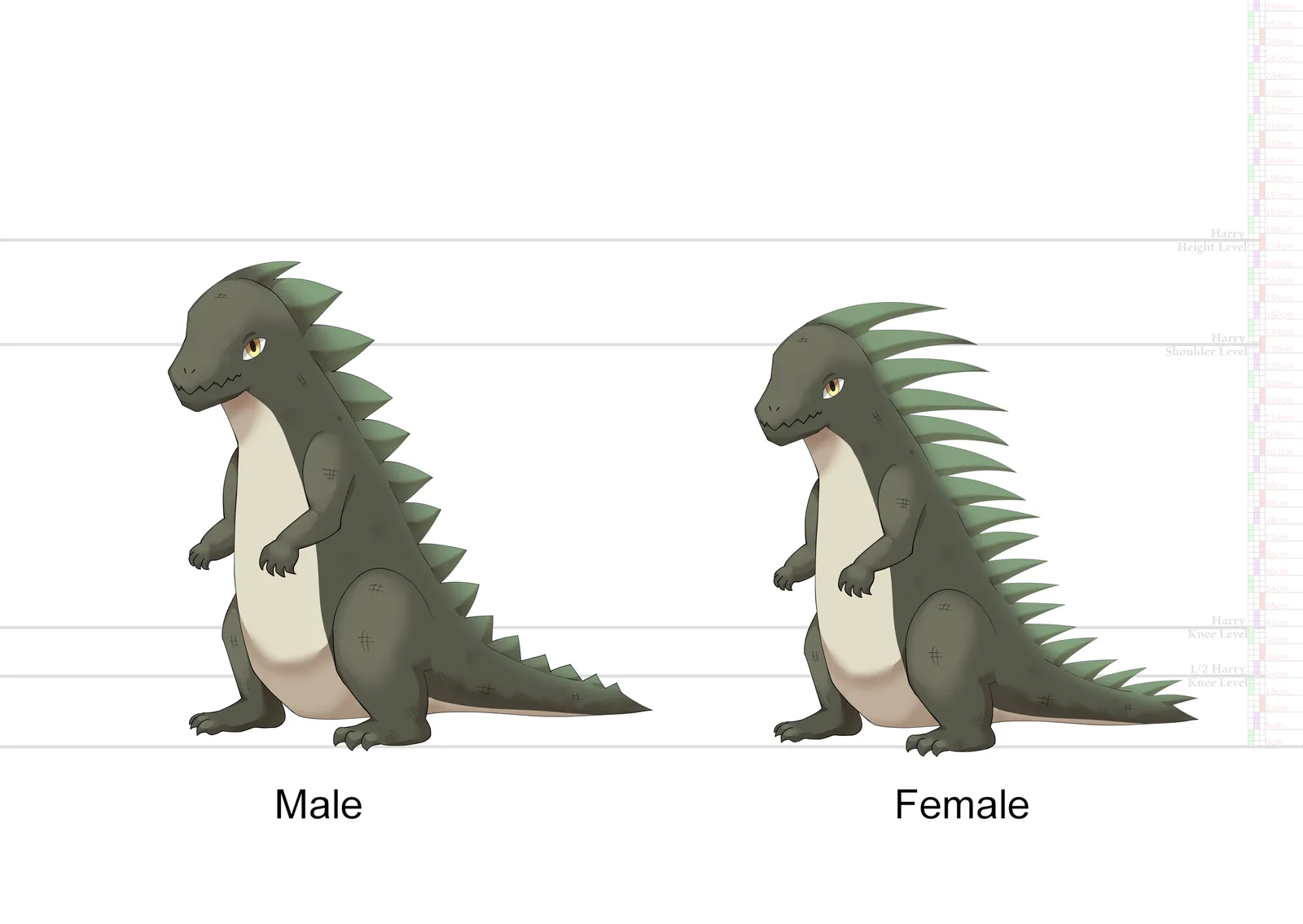
Crocus is the progenitor species of the Cruros. Nothing exactly special about them other than they look hella cute, chunky, and bite like a mean motherfucker. Someone said they tamed one and got it as a pet, but there's no recorded proof. If any crazy scientists figure it out, Forway will have a new pet craze.
Public text: fauna.md
Behind the Scenes · full notes
-
Website Description
- Crocus is the progenitor species of the Cruros. Nothing exactly special about them other than they look hella cute, chunky, and bite like a mean motherfucker. Someone said they tamed one and got it as a pet, but there's no recorded proof. If any crazy scientists figure it out, Forway will have a new pet craze.
-
Isekai History
- Existed since the recorded history. Nothing too special about them.
-
Scientific History
- Chinese Alligator
-
Habitat
- Mostly in the swamps from Sanbi to Tastyleaf
-
Economic Value
-
See Cruro for more information!
-
Crocus Meat
- Isekai History
- Butcher cut meat.
- Visual Reference
- Isekai History
-
Crocus Jerky
- Isekai History
- Butcher prepared jerky.
- Visual Reference
- Isekai History
-
Hide
- Isekai History
- Butcher prepared hide/fur for artisans to work on.
- Visual Reference
- See Above
- Isekai History
-
Crocus Eggs
- Isekai History
- An interesting food source for some.
- Visual Reference
- Isekai History
-
-
Tastes Like
- Chewy Rubbery Chicken
-
Alimentation
- Mainly fish, but any other animals that pass by.
-
Intelligence
- Alligator
-
Stats
- Reproduction
- Every Spring
- ~30 Eggs laid, only a few reach adulthood.
- Other
- None
- Reproduction
-
Soul Energy Capabilities
- Interface
- Spikes on back
- See Races > Cruro
- Skills
- Explode spikes from back for self-defense.
- Harden Skin
- Invisibility (pass light around object. Slightly distorted.)
- Often lasts for hours as they are usually immovable.
- Interface

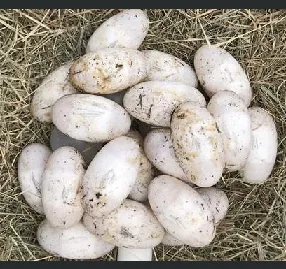
Fatupari

Fatupari, based on their size, would assume they would be classified as Beasts, but not only are they kinda dumb relative to other beasts, but they are also easier to dispatch than one thinks. If you tear their pink webbing, they can't use any magic against you. Or you can fight them fairly if you want to take it up a notch for whatever reason. Either way, some random weirdos swear by its distinctively bitter taste—like soaking wild pheasant breasts in quinine and cooking it until it's stringy and tough for shits and giggles. At least their hide and webbing are usual for a myriad of things for their rugged and water-repellant properties; plus, it looks pretty snazzy too!
Public text: fauna.md
Behind the Scenes · full notes
-
Website Description
- Fatupari, based on their size, would assume they would be classified as Beasts, but not only are they kinda dumb relative to other beasts, but they are also easier to dispatch than one thinks. If you tear their pink webbing, they can't use any magic against you. Or you can fight them fairly if you want to take it up a notch for whatever reason. Either way, some random weirdos swear by its distinctively bitter taste—like soaking wild pheasant breasts in quinine and cooking it until it's stringy and tough for shits and giggles. At least their hide and webbing are usual for a myriad of things for their rugged and water-repellant properties; plus, it looks pretty snazzy too!
-
Isekai History
- One of the most terrifying snakes around for its size… But looks aren’t everything.
-
Scientific History
- Emerald Tree Boa
-
Habitat
- Deep forests in the south.
-
Economic Value
-
Fatupari Meat
- Isekai History
- Butcher cut meat. Cheap meat as most people hate it. Consumption is usually by poorer people, or some weirdos that swear by its taste.
- Visual Reference
- Isekai History
-
Fatupari Jerky
- Isekai History
- Butcher prepared jerky. See Fatupari Meat.
- Visual Reference
- Isekai History
-
Fatupari Hide
- Isekai History
- Butcher prepared hide/fur for artisans to work on.
- Visual Reference
- See above
- Isekai History
-
-
Tastes Like
- Bitter. Only washed down in heavily seasoned soup, and some people swear by its taste.
-
Alimentation
- Rodents
-
Intelligence
- Anaconda
-
Stats
- Reproduction
- Every year
- 7 Eggs laid, only a few reach adulthood.
- Other
- None
- Reproduction
-
Soul Energy Capabilities
- Interface
- Fins on sides
- Skills
- Launch themselves towards target
- Air buoyancy
- Interface
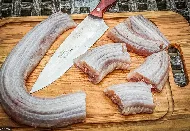
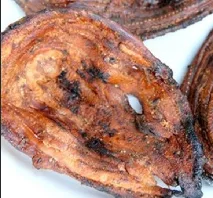
Fihi
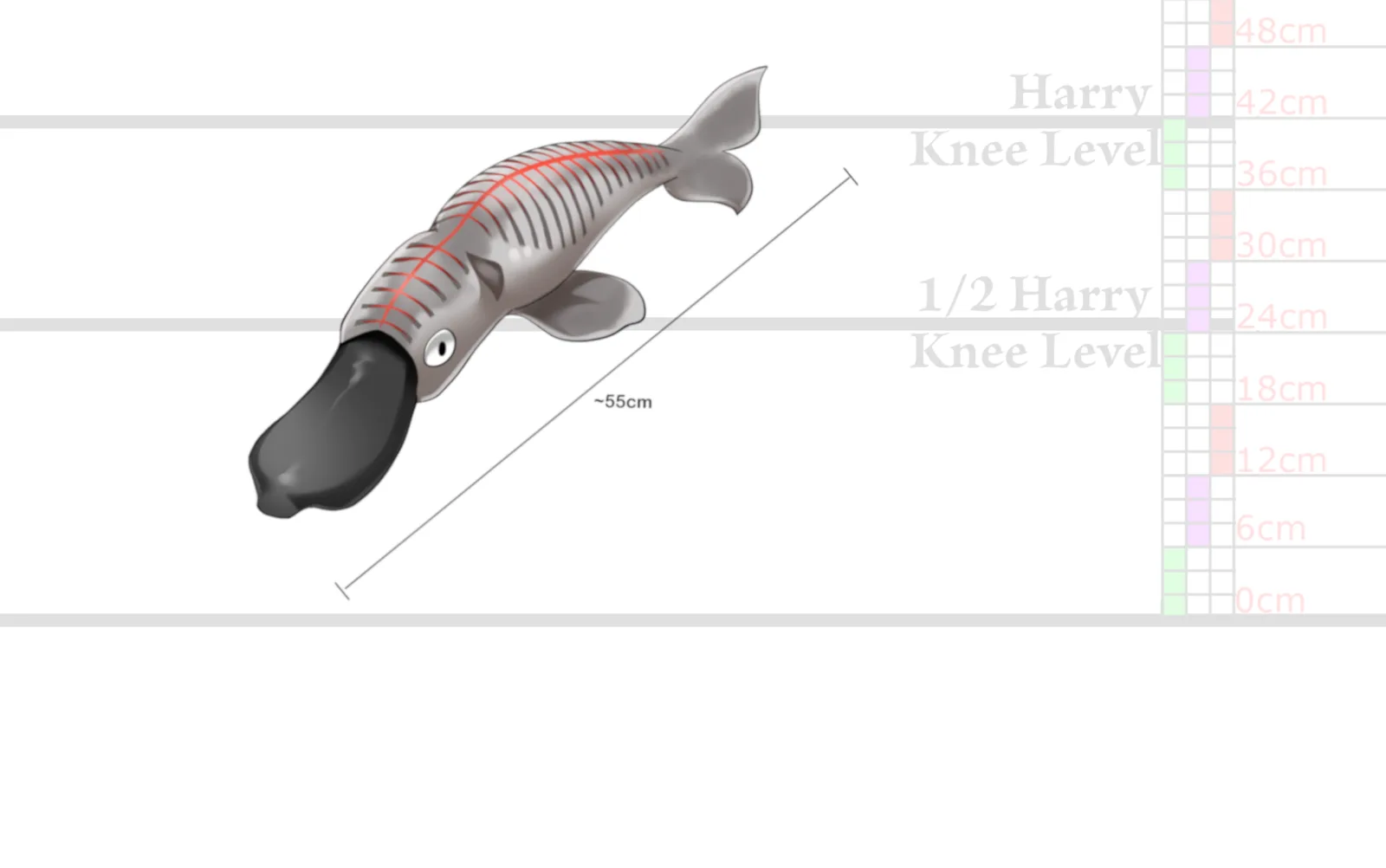
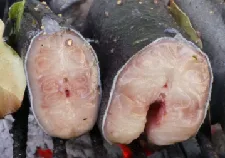
Fihi looks closer to a mammal than a fish, but I assure you it's a fish. It's even kinda cute, except when it opens its beak and reveals an esophagus that looks closer to turtles that will hunt you in your nightmares. They are commonly found on Buhraies plains, but much bigger ones have been spotted on Lukewarm Lake, and the bigger they get, the more aggressive they become. It's a fun catch, with meat akin to catfish, so special preparation is needed to tame the fishy taste. Or you can sell it! Fihis are used for nari gels to extract their ability to control elemental energy, whether absorbing, creating, or releasing it.
Public text: fauna.md
Behind the Scenes · full notes
-
Website Description
- Fihi looks closer to a mammal than a fish, but I assure you it's a fish. It's even kinda cute, except when it opens its beak and reveals an esophagus that looks closer to turtles that will hunt you in your nightmares. They are commonly found on Buhraies plains, but much bigger ones have been spotted on Lukewarm Lake, and the bigger they get, the more aggressive they become. It's a fun catch, with meat akin to catfish, so special preparation is needed to tame the fishy taste. Or you can sell it! Fihis are used for nari gels to extract their ability to control elemental energy, whether absorbing, creating, or releasing it.
-
Isekai History
- A fish is famous for its capacity to control elemental energy, whether absorbing, creating, or releasing it.
-
Scientific History
- Platypus, electric eel
-
Habitat
- Lukewarm Buhraies Lake and Buhraies Region
- Much bigger Fihi fish on Lukewarm Buhraies Lake. They eat humans.
- Lukewarm Buhraies Lake and Buhraies Region
-
Economic Value
-
Fihi Corpse
- Isekai History
- Fresh kill from not too far off, stored in a wagon with ice, ready for butcher shops or to be shipped around.
- Visual Reference
- See Above
- Isekai History
-
Fihi Meat
- Isekai History
- Butcher cut meat.
- Visual Reference
- Isekai History
-
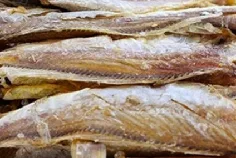
Fihi Jerky
- Isekai History
- Butcher prepared jerky
- Visual Reference
- Isekai History
-
Fihi Skin
- Isekai History
- Butcher prepared skin. A common treat of the people in the lower regions. Usually fried.
- Visual Reference
- See above
- Isekai History
-
Fihi Oil
- Isekai History
- Used for beer, mixing with food, grease stuff, etc.
- Visual Reference
- Isekai History
-
Fihi Fish Meal
- Isekai History
- Unused parts of fish or fish not fit for human consumption are turned into fish meal.
- Usually, whatever is leftover after extracting the oil.
- Unused parts of fish or fish not fit for human consumption are turned into fish meal.
- Visual Reference
- Isekai History
-
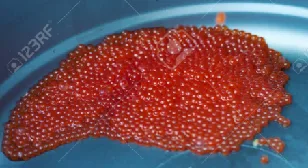
Fihi Fish Roe
- Isekai History
- A treat to some.
- Visual Reference
- Isekai History
-
-
Tastes Like
- Eel
-
Alimentation
- Gulps down smaller fish
-
Intelligence
- Predatory Fish/Eel
-
Stats
- Reproduction
- Tens of Fihi per year.
- Other
- None
- Reproduction
-
Soul Energy Capabilities
- Interface
- Its skin is tougher than normal fish skin, including being able to dissipate elemental energy—or rather, absorb it like a shield.
- Skills
- Shock targets in front of them.
- Interface


Ptaina
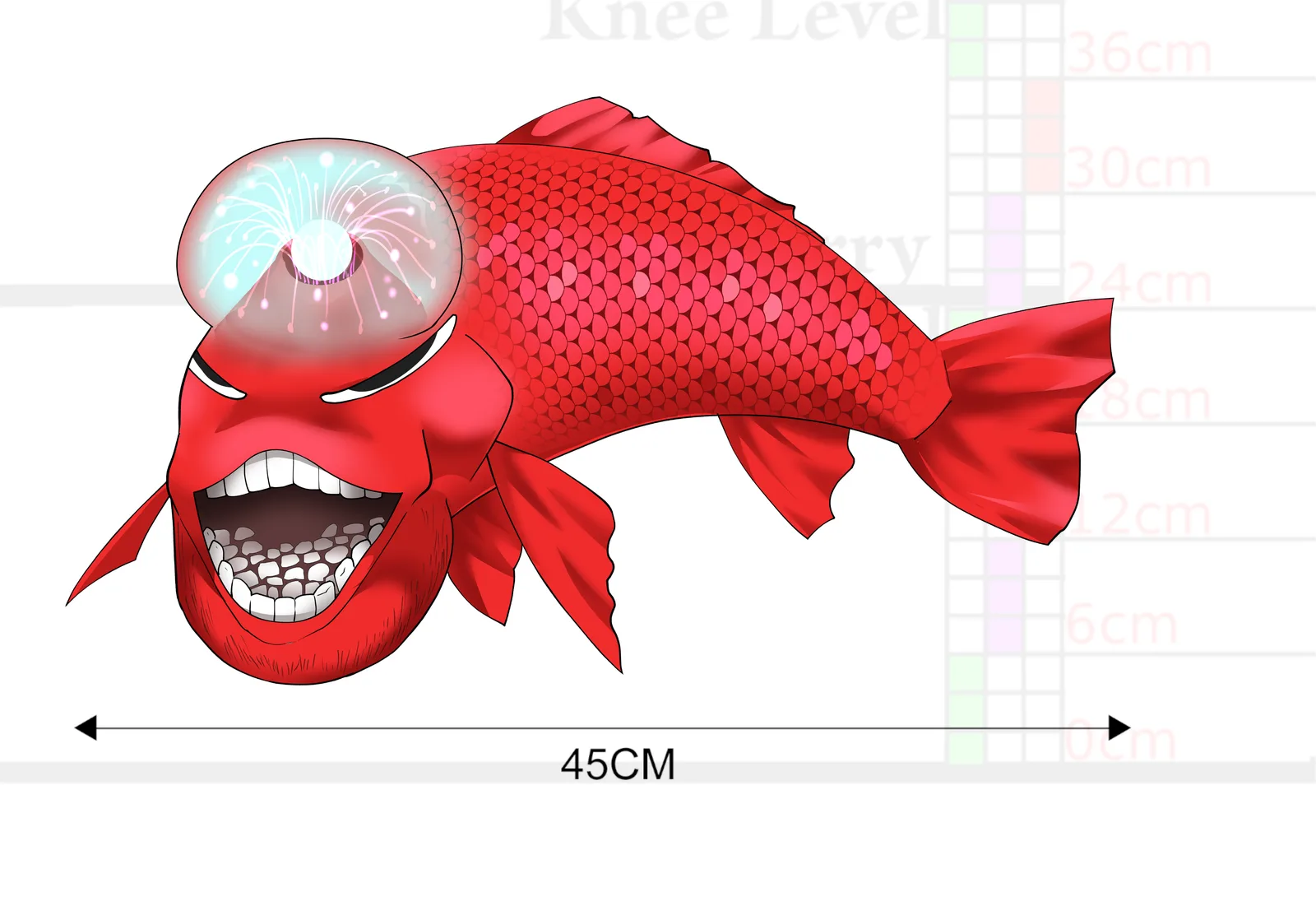
Ptaina’s gelatinous thingy in its head has rays of purplish light coming out within that will never send you good vibes. In the opposite, actually. It can send ultrasonic vibrations that can tear your insides—if you’re in the water, of course. It’s not as powerful on land except you’re dumb enough to touch it. Plus, they can mess with your compass and your sense of orientation, and give you a nasty headache, too! The raw meat has a more pungent taste and rougher texture, kinda like shark meat, so people usually season and stew the fuck out of it. Or you’re too poor to buy good stuff and have to eat Ptaina to survive. Or you’re so goddam rich that you think it’s a delicacy.
Public text: fauna.md
Behind the Scenes · full notes
-
Website Description
- Ptaina’s gelatinous thingy in its head has rays of purplish light coming out within that will never send you good vibes. In the opposite, actually. It can send ultrasonic vibrations that can tear your insides—if you’re in the water, of course. It’s not as powerful on land except you’re dumb enough to touch it. Plus, they can mess with your compass and your sense of orientation, and give you a nasty headache, too! The raw meat has a more pungent taste and rougher texture, kinda like shark meat, so people usually season and stew the fuck out of it. Or you’re too poor to buy good stuff and have to eat Ptaina to survive. Or you’re so goddam rich that you think it’s a delicacy.
-
Isekai History
- A fish grows in the deeper oceans that stuns and messes up with other fish for food, and maybe plays.
-
Scientific History
- Black Drum Fish
-
Habitat
- Oceans, but mostly near Deltas.
-
Economic Value
-
Ptaina Meat
- Isekai History
- Butcher-cut meat.
- Visual Reference
- Isekai History
-
Ptaina Jerky
- Isekai History
- Butcher prepared jerky
- Visual Reference
- Isekai History
-
Ptaina Scales
- Isekai History
- Butcher prepared scales for artisans to work on.
- Visual Reference
- See above
- Isekai History
-
Ptaina Oil
- Isekai History
- Used for beer, mixing with food, grease stuff, etc.
- Visual Reference
- Isekai History
-
Ptaina Fish Meal
- Isekai History
- Unused parts of fish or fish not fit for human consumption are turned into fish meal.
- Usually, whatever is leftover after extracting the oil.
- Unused parts of fish or fish not fit for human consumption are turned into fish meal.
- Visual Reference
- Isekai History
-
Ptaina Fish Roe
- Isekai History
- A treat to some.
- Visual Reference
- Isekai History
-
-
Tastes Like
- Tuna
-
Alimentation
- Gulps down smaller fish
-
Intelligence
- Tuna/Shark
-
Stats
- Reproduction
- Tens of Sanbies per year.
- Other
- None
- Reproduction
-
Soul Energy Capabilities
- Interface
- Hair on head and chin
- Skills
- Sense Surroundings
- Interface
Sanbi
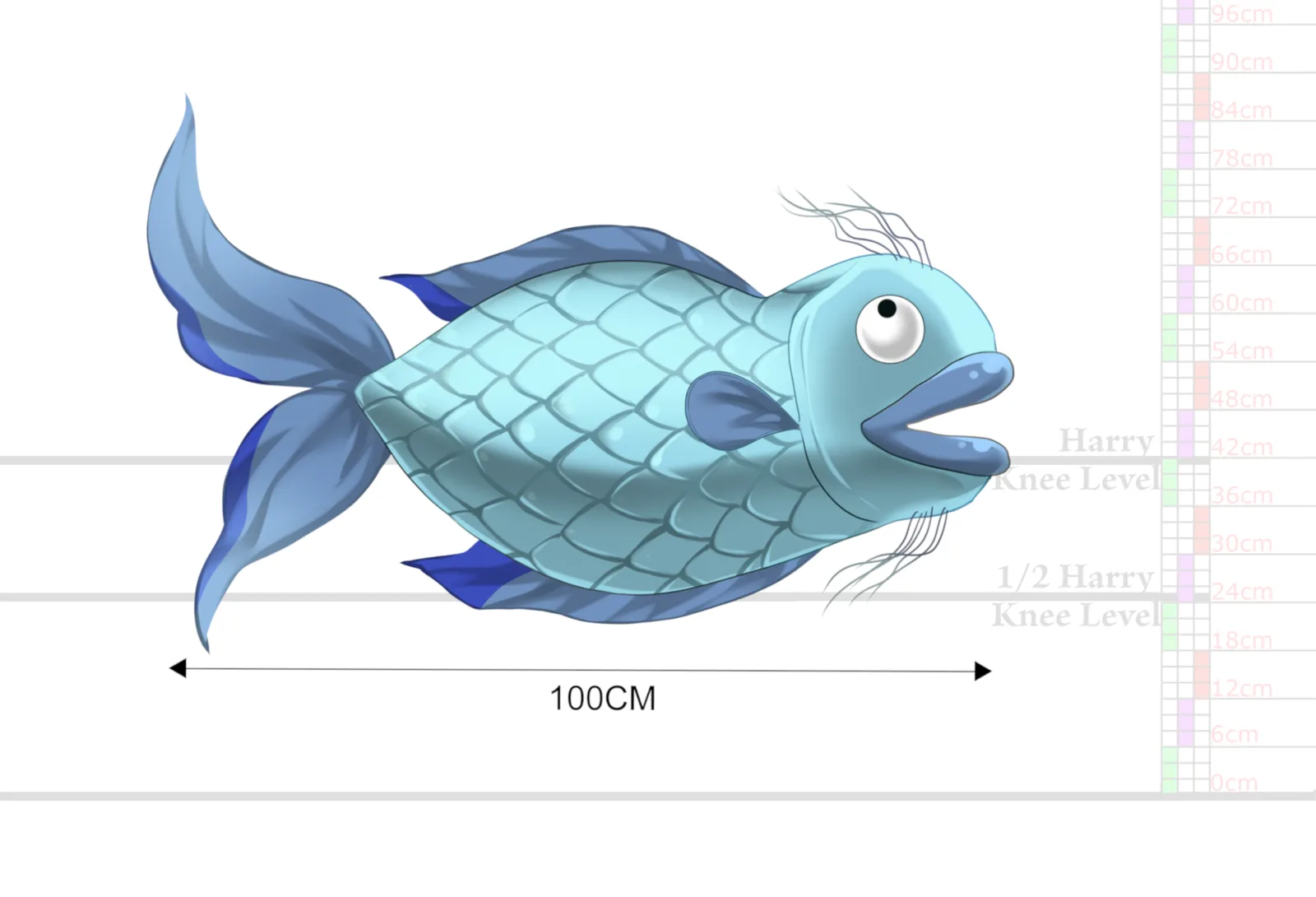
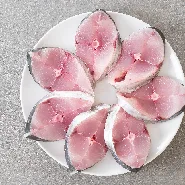
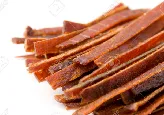
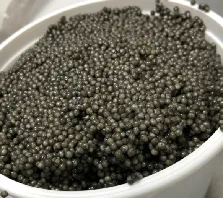
Sanbi is the staple of which kingdom? If you didn't answer Sanbi, then oh boy, you might have been smoking too much Magina. If you plan to visit, then give "The True Sanbi King" novel a read first, or you might be baffled as to why people put the dead old people in small boats and push them off their docks (sometimes not quite so dead if the fishing is weak but that's neither here nor there.) Either way, only that fisherman's family seems to have the prowess or pure luck to catch these darn tasty fish! You're welcome to try, though! But you'll likely only catch meat from their lips as they swell and shed it off, or suffer a massive headache as it's always keen to tap into its soul energy interface to fend off predators.
Public text: fauna.md
Behind the Scenes · full notes
-
Website Description
- Sanbi is the staple of which kingdom? If you didn't answer Sanbi, then oh boy, you might have been smoking too much Magina. If you plan to visit, then give "The True Sanbi King" novel a read first, or you might be baffled as to why people put the dead old people in small boats and push them off their docks (sometimes not quite so dead if the fishing is weak but that's neither here nor there.) Either way, only that fisherman's family seems to have the prowess or pure luck to catch these darn tasty fish! You're welcome to try, though! But you'll likely only catch meat from their lips as they swell and shed it off, or suffer a massive headache as it's always keen to tap into its soul energy interface to fend off predators.
-
Isekai History
- Gave the name Sanbi Kingdom for being its main food source and economy
- Are famous for requiring all of a normal human’s strength to reel in. Many muscular fishermen can capture at most 2 adults per day, if lucky—unless they tap into nari gels and such to capture more.
- More info: The True Sanbi King Novel
-
Scientific History
- Kushlukia
-
Habitat
- Mainly on the ocean to the right of Sanbi Kingdom.
-
Economic Value
-
Sanbi Meat
- Isekai History
- Butcher cut meat.
- Visual Reference
- Isekai History
-
Sanbi Jerky
- Isekai History
- Butcher prepared jerky
- Visual Reference
- Isekai History
-
Sanbi Scales
- Isekai History
- Butcher prepared scales for artisans to work on.
- Visual Reference
- See above
- Isekai History
-
Sanbi Oil
- Isekai History
- Used for beer, mixing with food, grease stuff, etc.
- Visual Reference
- Isekai History
-
Sanbi Fish Meal
- Isekai History
- Unused parts of fish or fish not fit for human consumption are turned into fish meal.
- Usually, whatever is left over after extracting the oil.
- Unused parts of fish or fish not fit for human consumption are turned into fish meal.
- Visual Reference
- Isekai History
-
Sanbi Fish Roe
- Isekai History
- A treat to some.
- Visual Reference
- Isekai History
-
-
Tastes Like
- Tuna
-
Alimentation
- Gulps down smaller fish
-
Intelligence
- Tuna/Shark
-
Stats
- Reproduction
- Tens of Sanbies per year.
- Other
- None
- Reproduction
-
Soul Energy Capabilities
- Interface
- Hair on the head and chin
- Skills
- Sense Surroundings
- Communicate in radio waves
- Emit strong radio waves that cause migraines in most people.
- Inflate/expand their lips, then rupture them out of their bodies as fake prey. Usually as an escape maneuver.
- They can do the same with their tails and grow them extra long to evade beasts/hunters
- Interface
Sayna
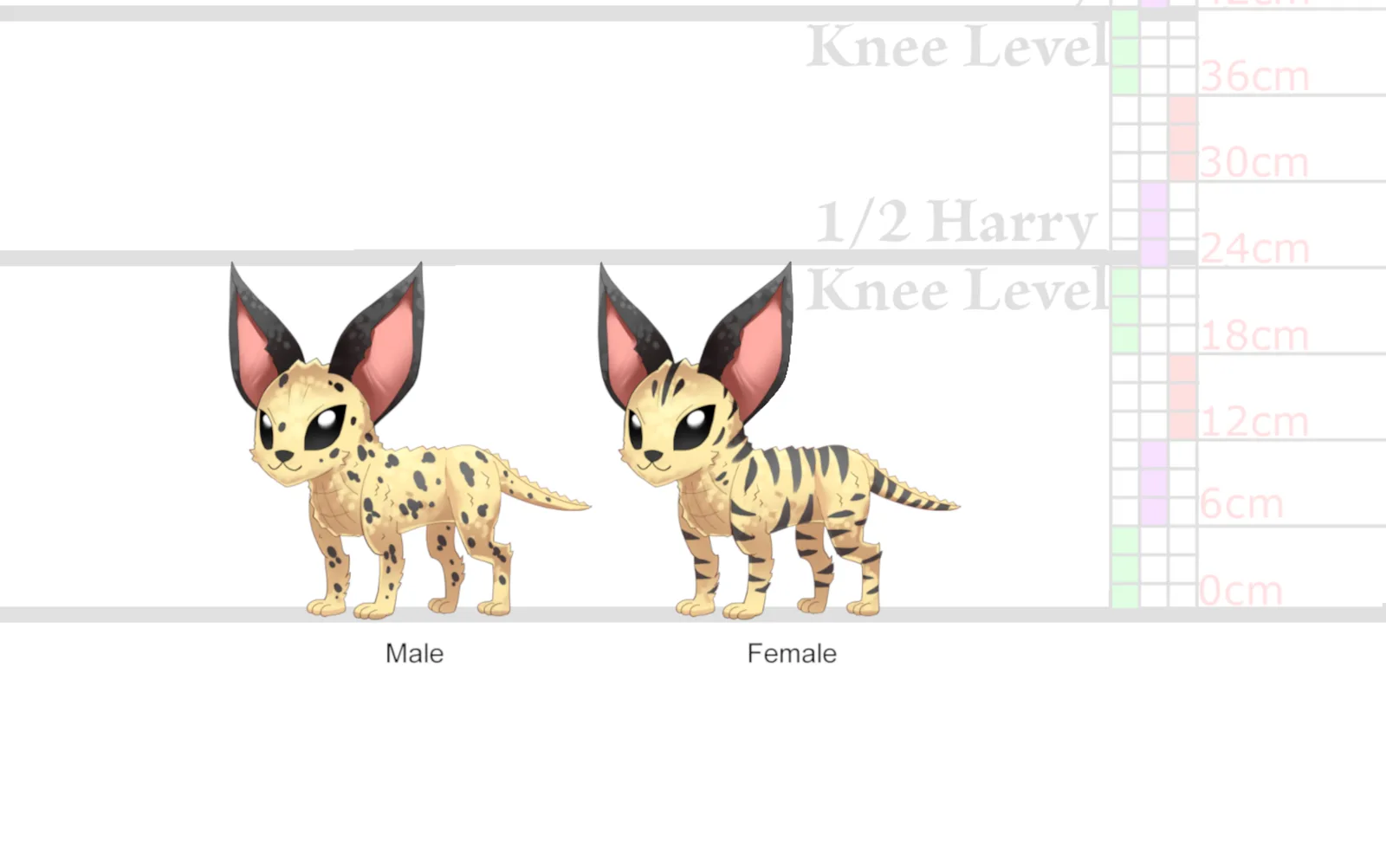
Sayna is a "smol" creature that made the desert its habitat. Worshiped in some sense by the Sundeath citizens as it is crucial in reducing the number of deaths by sand worms. Its enormous ears and cuteness make it a highly sought-after companion for adventurers and traders alike—so much so that about two-fifths of export from Sundeath each year are trained Saynas. The city also exports sayna meat as well, but only more affluent folks who enjoy tasting things more than admiring their cuteness can afford it. The ruling pharaohs—a weird name they call the ruler—tried to intervene with a trade blockade to prevent overhunting, but the city ruler cracked under the might of Forway's guards and law.
Public text: fauna.md
Behind the Scenes · full notes
-
Website Description
- Sayna is a "smol" creature that made the desert its habitat. Worshiped in some sense by the Sundeath citizens as it is crucial in reducing the number of deaths by sand worms. Its enormous ears and cuteness make it a highly sought-after companion for adventurers and traders alike—so much so that about two-fifths of export from Sundeath each year are trained Saynas. The city also exports sayna meat as well, but only more affluent folks who enjoy tasting things more than admiring their cuteness can afford it. The ruling pharaohs—a weird name they call the ruler—tried to intervene with a trade blockade to prevent overhunting, but the city ruler cracked under the might of Forway's guards and law.
-
Isekai History
- Looks like a fox, but it is as rocky as a horned lizard. Very friendly with humans, and a good place to have an adventurer's party.
- Makes a cute sound “Pohw-pohhhhwww!”
-
Scientific History
- Fennec Fox
- Horned Lizard
-
Habitat
- Desert
-
Economic Value
-
Sayna Meat
- Isekai History
- Butcher cuts meat. More of a delicacy to some rich folks, and nutrition to some in the desert.
- Visual Reference
- Isekai History
-
Sayna Jerky
- Isekai History
- Butcher prepared jerky. Rare to find to its taste.
- Visual Reference
- Isekai History
-
Sayna Hide/Carapace
- Isekai History
- Butcher prepared hide/fur for artisans to work on. Rare to find.
- Visual Reference
- See above
- Isekai History
-
Tamed Adult Sayna
- Isekai History
- It takes a while for them to be properly trained, especially to use their skills on command, due to their energetic, goofy nature.
- Visual Reference
- See above
- Isekai History
-
-
Tastes Like
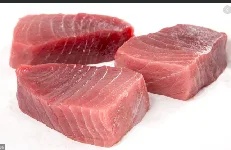
- Earthy, sandy like fox meat. Minty tastes similar to lamb but not as tough as one would imagine. A delicacy
- Eaten by some specific people as most people think they are too cute to eat. Sundeath worships them.
-
Alimentation
- Insects, small rodents.
-
Intelligence
- Dog, great for a companion
- Golden Retriever. Goofy.
- Dog, great for a companion
-
Stats
- Reproduction
- Every Fall 2-3 Saynas are born
- Other
- None
- Reproduction
-
Soul Energy Capabilities
- Interface
- Eyes/Ears
- Skills
- Distant Hearing
- Cloak detection
- Blood Shield (self-defense only)
- Interface
Wozen
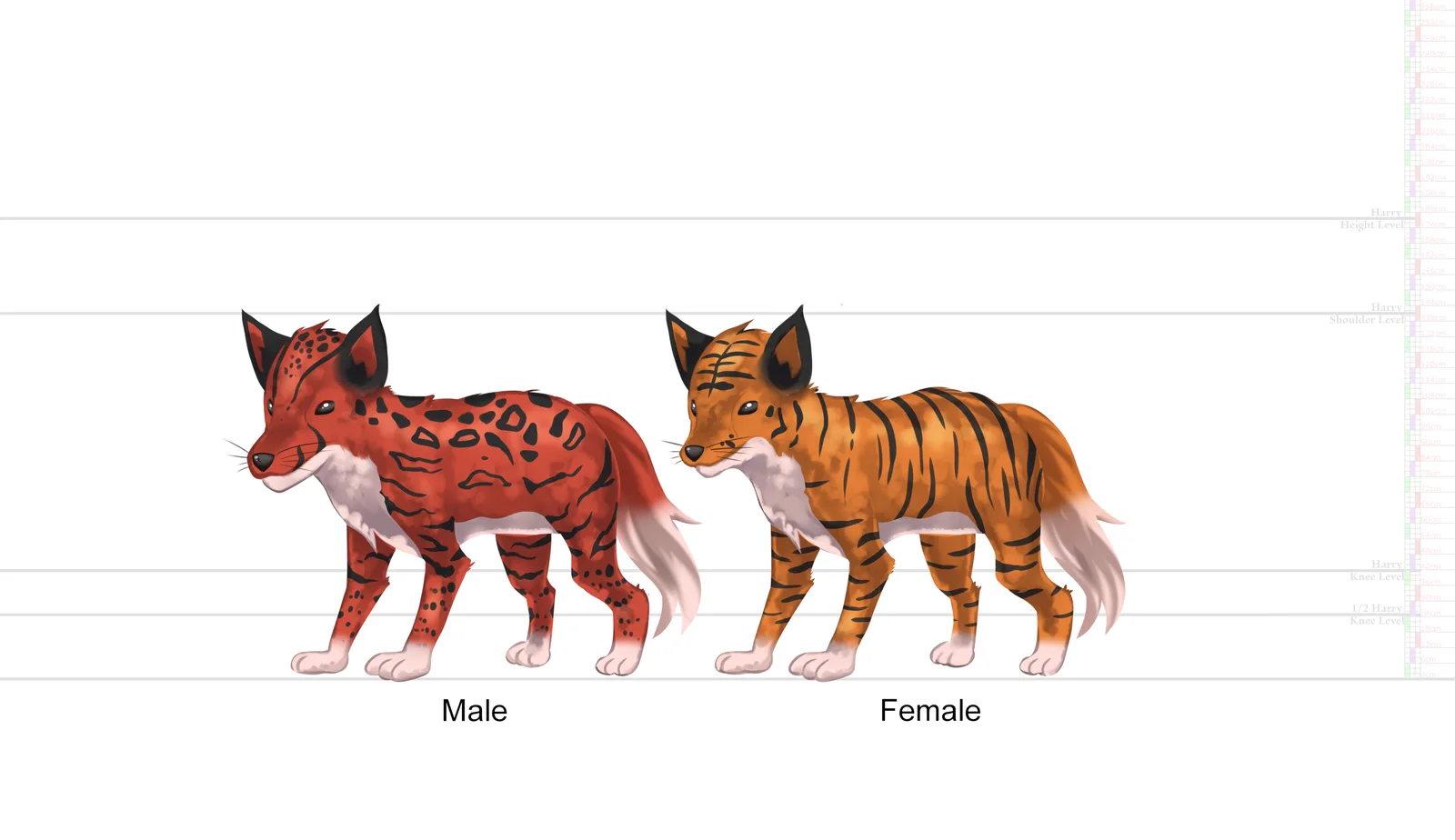
Wozens are pests that wander mostly in the denser forests around Freeish, but it is not unusual to see them attack people at night in the plains close to Forway. They are predators, so their interface usage makes them near impossible to be seen or heard as they prowl around. Once they decide on a victim, they can jump several times their height, and once their jaw shuts tight on your flesh, there's no letting go as it casts attraction on its teeth. Their pelt and some body parts like eyes are certainly valuable, but its incredibly tough and gamey meat is not—except for people in the slums, or poorer villages, so if you have space to haul it to your nearest butcher, then do so! Some places even consider it as charitable tax write-offs!
Public text: fauna.md
Behind the Scenes · full notes
-
Website Description
- Wozens are pests that wander mostly in the denser forests around Freeish, but it is not unusual to see them attack people at night in the plains close to Forway. They are predators, so their interface usage makes them near impossible to be seen or heard as they prowl around. Once they decide on a victim, they can jump several times their height, and once their jaw shuts tight on your flesh, there's no letting go as it casts attraction on its teeth. Their pelt and some body parts like eyes are certainly valuable, but its incredibly tough and gamey meat is not—except for people in the slums, or poorer villages, so if you have space to haul it to your nearest butcher, then do so! Some places even consider it as charitable tax write-offs!
-
Isekai History
- They are nightly hunters. Known for snacking on humans when given the opportunity.
- They can run fast, and are skilled in close-quarter combat with their claws.
- They tend to be defensive, except at night when they come out to hunt.
-
Scientific History
- Vulpes Vulpes
-
Habitat
- Mostly in the dense forests around Blood City and the Freeish Kingdom
-
Economic Value
-
Wozen Meat
- Isekai History
- Butcher cut meat. Not really desirable meat, so this is mostly sold as a by-product of killing Wozens for their pelt.
- Visual Reference
- Isekai History
-
Wozen Jerky
- Isekai History
- Butcher prepared jerky. Not really desirable by many people due to its strong gamey flavor. Usually served up to poorer people.
- Visual Reference
- Isekai History
-
Wozen Pelt
- Isekai History
- Butcher prepared hide/fur for artisans to work on.
- Visual Reference
- See Above
- Isekai History
-
Wozen Eye
- Isekai History
- Used on Nari gels.
- Visual Reference
- See Above
- Isekai History
-
Wozen Nose
- Isekai History
- Used on Nari gels.
- Visual Reference
- See Above
- Isekai History
-
-
Tastes Like
- Gamy & Tough.
-
Alimentation
- Loves to eats Bagarisa
- Also snacks on humans given the opportunity
-
Intelligence
- Leopard
-
Stats
- Reproduction
- Every year, they tend to have ~2 or 3 woozies.
- Other
- None
- Reproduction
-
Soul Energy Capabilities
- Interface
- Nose
- Skills
- Super Smell
- Sound Bounce
- Makes them impossible to heard.
- Light Bounce
- Makes them darker than the surroundings.
- Super Jump.
- Jaw Clench.
- They cast attract once they attack their prey so they won’t let go.
- Interface
Omnivores
Bagarisa
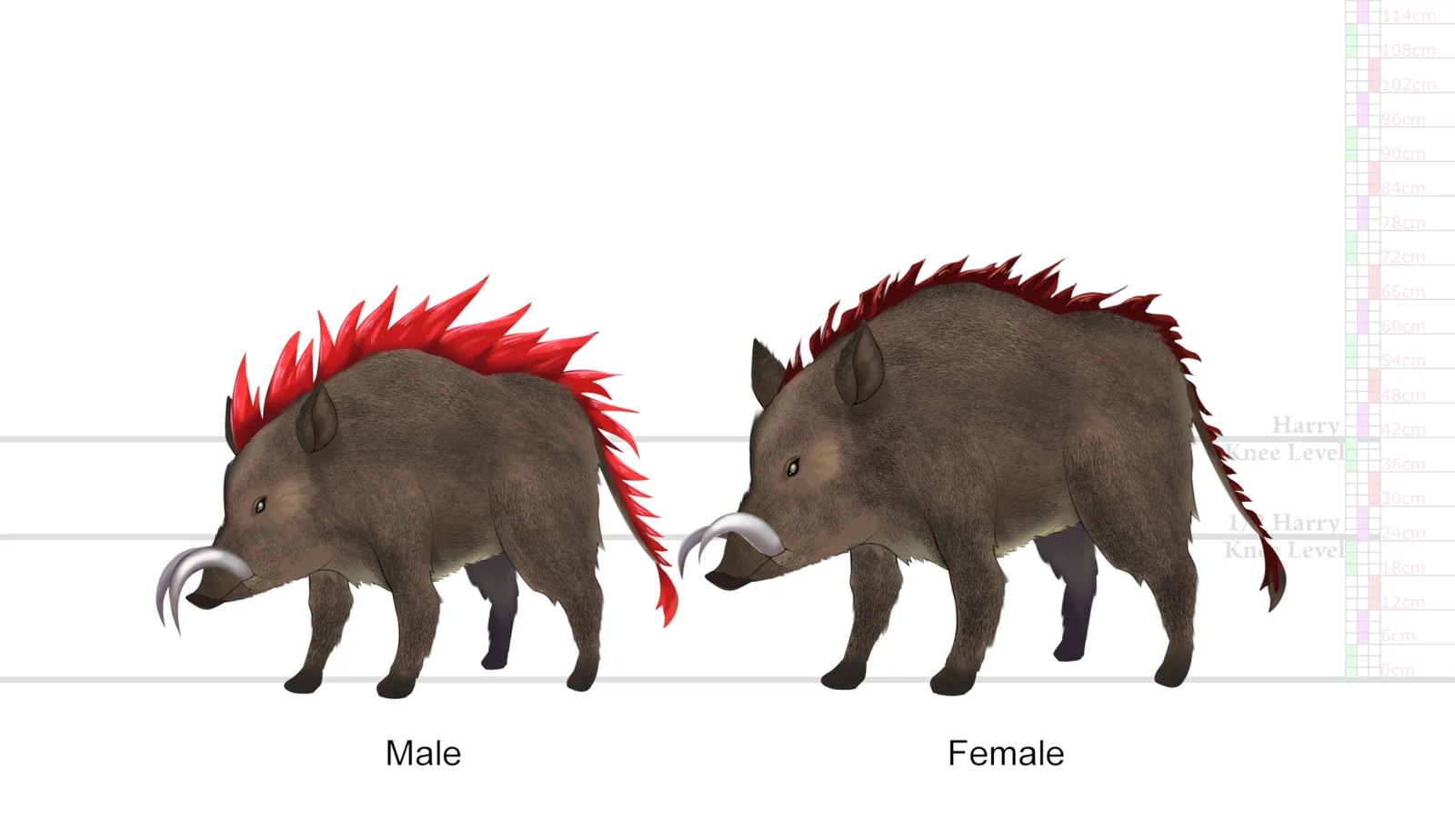
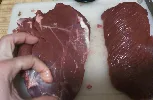
Bagarisas compete with Fanchakis to be the most-eaten animal in the four kingdoms. Well, to be fair, they didn't have much choice in participating in that competition, but it's their fault that their irresistibly earthy, mushroom-accented meat that isn't too gamey appeases the palate of all races. They are always in packs, and they will not hold back in lighting up their tusks in flames to rush toward you. They are also skilled with ranged attacks by generating a flaming ball between their tusks, then creating a gust of hot wind that begins in the red crest at the tip of their tails and speeds up towards their head. The bagarisa can tilt its head up to make the hot air strike the ball of flame and turn it into a fireball. If that wasn't enough, they also have a distinct musk of shrimp brine that can make a lot of people gag profusely—dealing with that is one of the many things they teach adventures in the one and only adventurers school in Forway. They also teach them that if they are going for a clean shot, then they need an extra long arrow to perforate the two hearts it has in the chest and lower gut.
Public text: fauna.md
Behind the Scenes · full notes
-
Website Description
- Bagarisas compete with Fanchakis to be the most-eaten animal in the four kingdoms. Well, to be fair, they didn't have much choice in participating in that competition, but it's their fault that their irresistibly earthy, mushroom-accented meat that isn't too gamey appeases the palate of all races. They are always in packs, and they will not hold back in lighting up their tusks in flames to rush toward you. They are also skilled with ranged attacks by generating a flaming ball between their tusks, then creating a gust of hot wind that begins in the red crest at the tip of their tails and speeds up towards their head. The bagarisa can tilt its head up to make the hot air strike the ball of flame and turn it into a fireball. If that wasn't enough, they also have a distinct musk of shrimp brine that can make a lot of people gag profusely—dealing with that is one of the many things they teach adventurers in the one and only adventurers school in Forway. They also teach them that if they are going for a clean shot, they need an extra-long arrow to pierce the two hearts in the chest and the lower gut.
-
Isekai History
- A pork-deer-like mammal known for its meat not being too gamy. Tastes a bit earthy, with hints of mushroom.
- Famous for being resistant to bow attacks, as you need to shoot both of its hearts if you are going for an instant kill.
- One in the chest. Another in the gut as the gut has its special pathways that can also power the hind legs.
- Musk that smells like a shrimp brine.
-
Scientific History
- Babirusa
-
Habitat
- Spread throughout the lower region.
-
Economic Value
-
Bagarisa Meat
- Isekai History
- Butcher cut meat.
- Visual Reference
- Isekai History
-
Bagarisa Jerky
- Isekai History
- Butcher prepared jerky
- Visual Reference
- Isekai History
-
Bagarisa Hide/Fur
- Isekai History
- Butcher prepared hide/fur for artisans to work on.
- Visual Reference
- See above
- Isekai History
-
-
Tastes Like
- Deer with notes of olive oil. Ramon.
-
Alimentation
- Omnivore
- Mostly grass, but like to snack on Sorenos one in a while.
-
Intelligence
- Wild Boar
-
Stats
- Reproduction
- Female Bagarise gives birth every 3 months to 2-3 babies.
- Other
- None
- Reproduction
-
Soul Energy Capabilities
- Interface
- Hair on Back/Tusks on fronts
- Skills
- Blood Heal
- Flaming Tusks
- Balls of flame created in between the tusks.
- Gust of hot air that shoots through the hair crest after accumulating from the tail. When combined with flame, it creates a flamethrower effect.
- Interface
Fanchaki
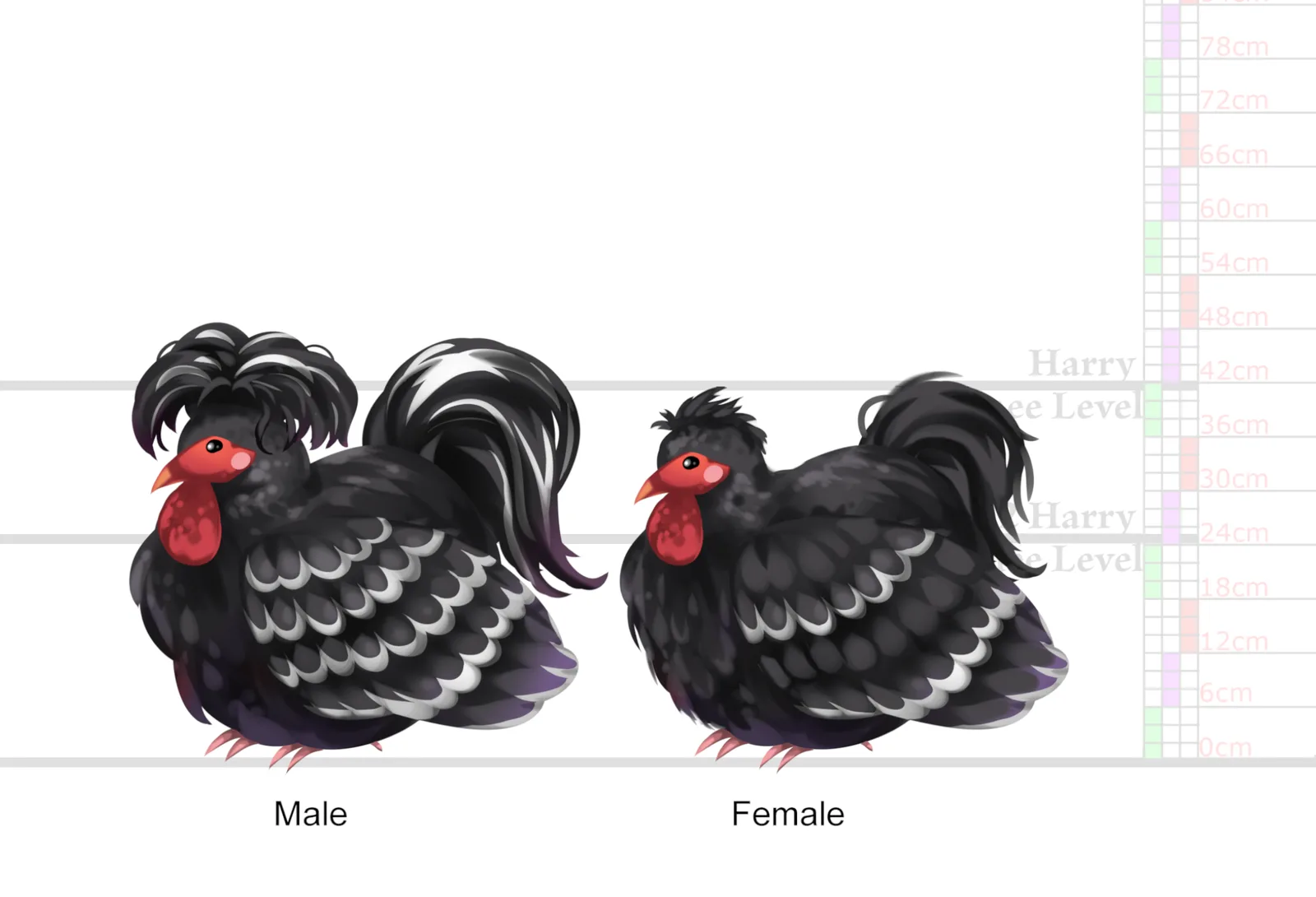
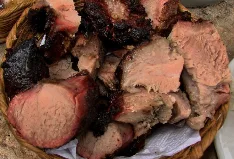
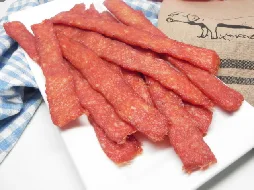
Fanchaki is a mutation from Chaki and is proof of one of the first, if not the first, successful Buhraies soul tampering, according to historians. Their capability of breeding quicker, growing stronger and better using their interface for defense must have been fundamental to somehow survive the savage Lishies and then humans—because the Chakis are long extinct. Their marbled, tender purple meat became a staple on everyone's menu after The Prosperity Treaty brought more substantial trading across the kingdoms and even turned some adventurers away from adventuring into just hunting these fat bastards to keep up with demand.
Public text: fauna.md
Behind the Scenes · full notes
-
Isekai History
- Buhraies' subjugation experiment.
- Buhairs got a few chakis (chickens) and transformed them into fanchakis. As usual, both of them fled their containment, but chakis grew extinct as the fauna/Lishies ate it all up.
- Fanchakis are quick to breed (like rats) so they survived and spread around like wildfire, even though Lishies were hunting them in the thousands.
-
Scientific History
- Chicken
-
Habitat
- More common around the dense forests throughout the coastline and the dense forests around freeish and Blood.
-
Economic Value
-
Fanchaki Meat
- Isekai History
- Butcher cut meat. Favorite meat among the kingdoms for its good taste for the price.
- Visual Reference
- Isekai History
-
Fanchaki Jerky
- Isekai History
- Butcher prepared jerky.
- Visual Reference
- Isekai History
-
Fanchaki Feathers
- Isekai History
- Butcher prepared feathers for artisans to work on.
- Visual Reference
- See above
- Isekai History
-
Fanchaki Egg
- Isekai History
- Common food.
- Visual Reference
- Isekai History
-
Tamed Fanchaki
- Isekai History
- A pet that some have, but it is mostly for livestock instead. Some use the pet as bait for predators, especially for its Soul Energy abilities.
- Visual Reference
- See above
- Isekai History
-
-
Tastes Like
- Fat Chicken. Very tender.
-
Alimentation
- Primarily seeds and insects.
-
Intelligence
- Chicken
-
Stats
- Reproduction
- Lays one egg everyday
- Fertilized eggs will hatch in ~21 days
- Other
- None
- Reproduction
-
Soul Energy Capabilities
- Interface
- Wattle
- Skills
- Speedy Reaction
- Fake Body
- Interface
Soreno
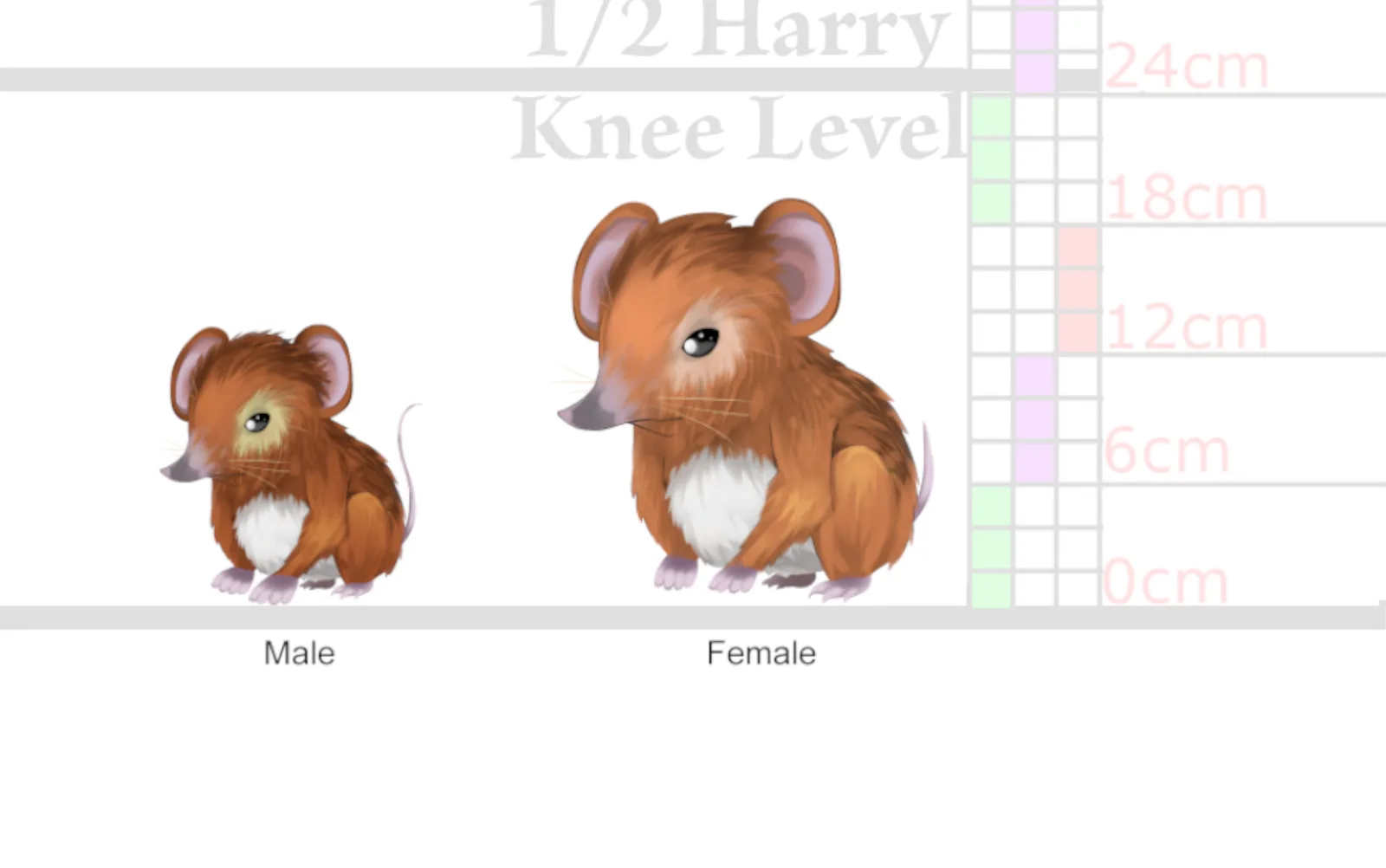
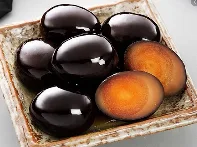
Soreno is favored by scientists who avoid human experimentation or can't contract one to experiment on. It is not exactly a close match to the real thing, but it's good enough to iterate through experiments quickly and cheaply, publish papers, and make a name for yourself! Some are on the other spectrum—with often pearl adventurers tasked to keep the Soreno population in cities, especially in grain silos, on the delicate balance between pest control and being a pest themselves. Plus, it's cheap meat for these pearl adventurers who are probably in so much debt that any single pearl they can avoid wasting now is amethysts off their loan due to their jacked-up interests. The caveat is that the meat smells and tastes like stale piss and that you will likely need to heal yourself if you slip up and don't cook it well done—or have difficulty catching them as they cloak themselves in both sight and heat signatures, and talk to one another in such a high pitch tone you will either need a Sayna or use nari gel to alter your ears to a Soreno. They also imitate other animals and can dash an arm's length as quickly as a blink of an eye in almost any direction a few times too.
Public text: fauna.md
Behind the Scenes · full notes
-
Website Description
- Soreno is favored by scientists who avoid human experimentation or can't contract one to experiment on. It is not exactly a close match to the real thing, but it's good enough to iterate through experiments quickly and cheaply, publish papers, and make a name for yourself! Some are on the other spectrum—with often pearl adventurers tasked to keep the Soreno population in cities, especially in grain silos, on the delicate balance between pest control and being a pest themselves. Plus, it's cheap meat for these pearl adventurers who are probably in so much debt that any single pearl they can avoid wasting now is amethysts off their loan due to their jacked-up interests. The caveat is that the meat smells and tastes like stale piss and that you will likely need to heal yourself if you slip up and don't cook it well done—or have difficulty catching them as they cloak themselves in both sight and heat signatures, and talk to one another in such a high pitch tone you will either need a Sayna or use nari gel to alter your ears to a Soreno. They also imitate other animals and can dash an arm's length as quickly as a blink of an eye in almost any direction a few times too.
-
Isekai History
- Small mammals that feed on insects and grain. They prefer insects, so in small numbers, they are great pest control. In large numbers, they become a pest themselves.
- Hunters/pear adventurers are constantly hired to keep them in check.
-
Scientific History
- Rats & Shrews
-
Habitat
- Throughout the four kingdoms and related cities. Also found throughout the wild, but more in open fields.
-
Economic Value
-
Hide/Fur
- Isekai History
- Butcher prepared hide/fur for artisans to work on. Incredibly flexible to work with.
- Visual Reference
- See above.
- Isekai History
-
Tamed Adult Soreno
- Isekai History
- It takes a while for them to be trained properly, but they are able to relay conversation over long distances without other humans hearing them due to their high pitched nature.
- A hidden trick of the Hidden Sorenos gang.
- Visual Reference
- See above
- Isekai History
-
-
Tastes Like
- Their meat tastes bitter and smells like urine. Their meat is given off to wild animals or put in the ground as fertilizer.
- Some pearl adventurers still eat it because it is free meat.
-
Alimentation
- Insects & grains
-
Intelligence
- Rats
-
Stats
- Reproduction
- Every few months ~10 are born.
- Other
- None
- Reproduction
-
Soul Energy Capabilities
- Interface
- Tail/Ears/Mouth
- Skills
- Cloak (temperature/vision)
- Hearing
- Long distance communication.
- Imitate animal voices.
- Shoot themselves in any direction with quick motion.
- Interface
Yuyta
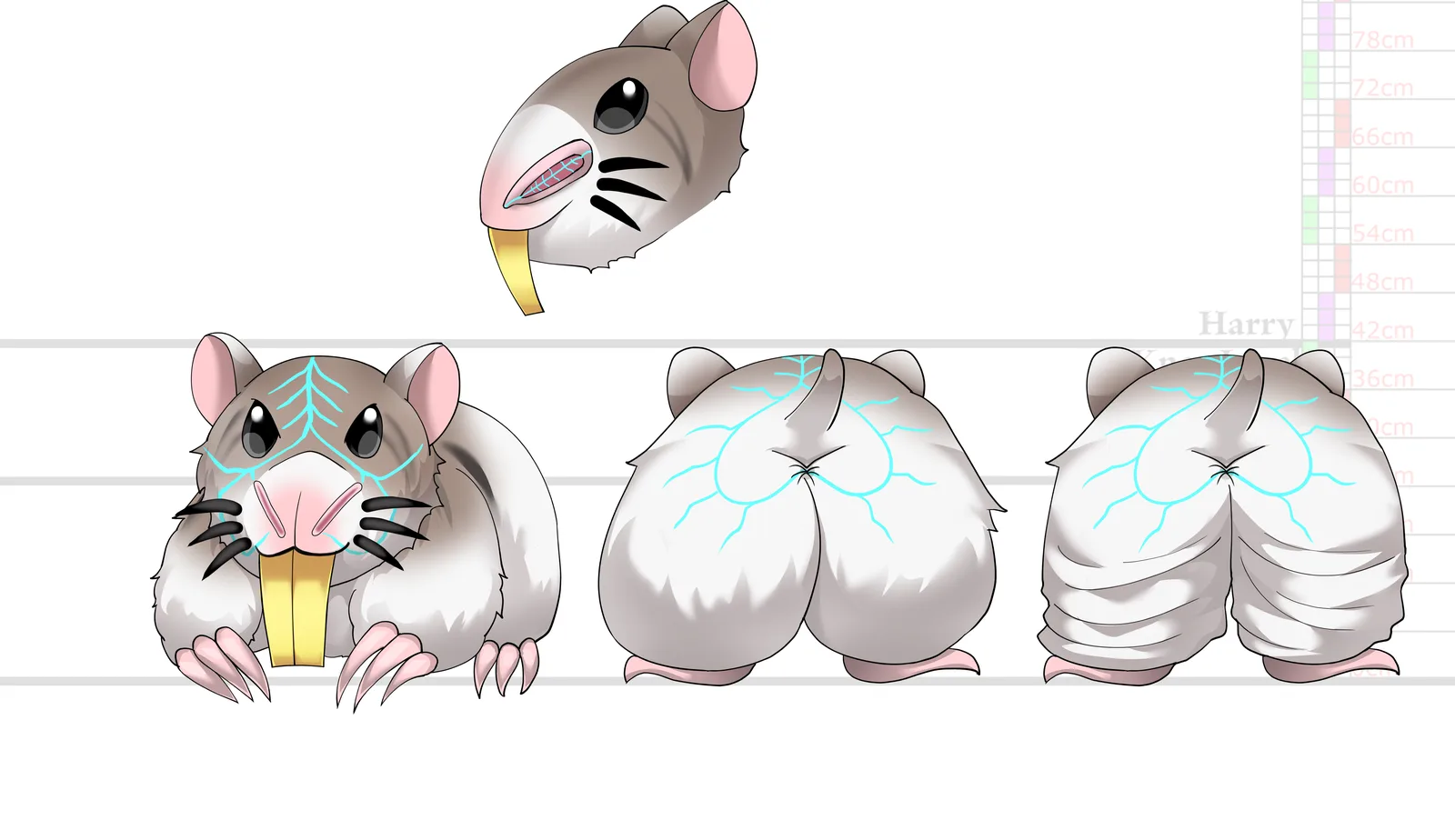
Yuytas might look friendly to some, but they are not keen on human contact. If you poach a baby one from its mother, you might get a solid companion, but you wouldn't count on it. They are not as intelligent as cats, yet just as finicky. Their most desirable trait, aside from their tuna-like meat that has a faint freshly cut grass rather than oceanic notes, is the whiskers for nari gels, as with those, it allows you to see or feel stuff behind walls. They hang out in groups, and you can see them jumping about, enjoying their lives with their big plumpy butts for all to see. Hunters, and villagers at large, use these creatures' butts as a barometer for harvest quality. It's like what they say, "Winter's gonna suck ass when you see a flappy butt flapping on Fall!"
Public text: fauna.md
Behind the Scenes · full notes
-
Website Description
- Yuytas might look friendly to some, but they are not keen on human contact. If you poach a baby one from its mother, you might get a solid companion, but you wouldn't count on it. They are not as intelligent as cats, yet just as finicky. Their most desirable trait, aside from their tuna-like meat that has a faint freshly cut grass rather than oceanic notes, is the whiskers for nari gels, as with those, it allows you to see or feel stuff behind walls. They hang out in groups, and you can see them jumping about, enjoying their lives with their big plumpy butts for all to see. Hunters, and villagers at large, use these creatures' butts as a barometer for harvest quality. It's like what they say, "Winter's gonna suck ass when you see a flappy butt flapping on Fall!"
-
Isekai History
- A classic case of convergent evolution.
-
Scientific History
- Gopher/Gerbil.
- Hops around like a gerbil.
-
Habitat
- Mostly forests in the Sanbi Region and up the coast.
-
Economic Value
-
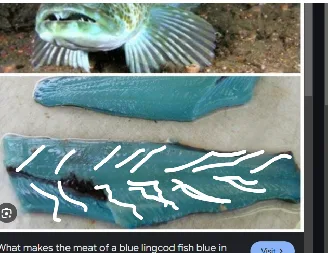
Yuyta meat
-
-
-
Tastes Like
- Chicken. Hard meat, only good for stew. Doesn’t freeze well.
- The smell was clean, mild, almost like fresh tuna, but lacking that distinct oceanic smell. Rather, it took a faint wet grass smell like being downwind from someone cutting grass.
-
Alimentation
- Grass
-
Intelligence
- Like a rabbit or so. Tends to be in groups.
- Tends to be defensive/run away. When you get close to it, it tends to hiss.
- If attacked, it screams like a dying human.
-
Stats
- Reproduction
- Every few months.
- Other
- ?
- Reproduction
-
Soul Energy Capabilities
- Interface
- Jumping Feet
- Microwave detection (whiskers)
- Can spot objects in the walls/dirt. It’s like an infrared camera of sorts.
- Skills
- ?
- Interface
Monikas
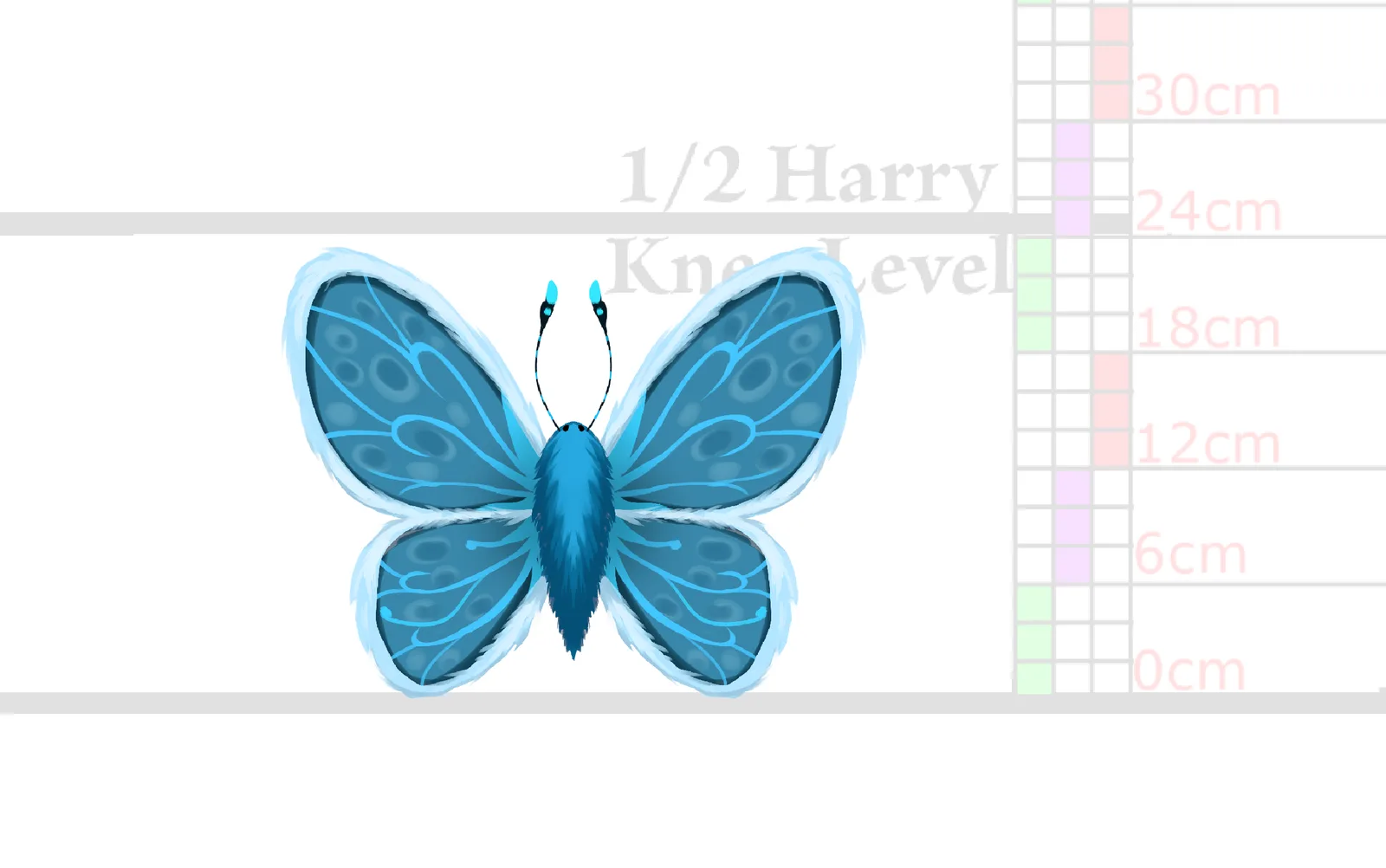
Monikas are loner butterflies tightly associated with death and decay. Their interface is considered the best at identifying corpses, especially if the corpse is tied to a soul pooled with lots of soul energy. They also have the ability to turn desired volatile compounds of scents into a visual representation that aids in understanding its concentration and source—known as Monika sight, a nari gel concoction customized with the desired volatile compound, turned even exceptional if paired with Wozen Smell for both finding things like dead adventurers, detect poisonous things like traps, or even track down live animals or humans by using the droppings or sweat. Adventurers on the brink of death often implore to be found by these peaceful-looking butterflies—at least some do until they remember the cost of revival.
Public text: fauna.md
2 more entries on this page are only in .
Built from: Legacy/Public/fauna.md, Legacy/Behind The Scenes/World Lore/Fauna.md